How Do You Choose an Empty All-in-One Vape for a Cannabis Oil Product?
Choosing an empty All-in-One vape is a product-development decision, not simply a hardware purchasing exercise. Cannabis brands need to consider oil compatibility, ceramic heating, capacity, filling, activation, battery performance, and customization before selecting a device. The right platform should fit the formulation and launch strategy while giving the brand room to create a recognizable product. For us, hardware selection starts by understanding the oil and then matching the device architecture to its requirements.
Start With the Cannabis Oil
The first question should be what formulation the device needs to handle. Cannabis oils can vary in viscosity and flow behavior, affecting how efficiently oil reaches the heating surface. A hardware platform designed for one formulation should therefore not automatically be treated as suitable for every oil.
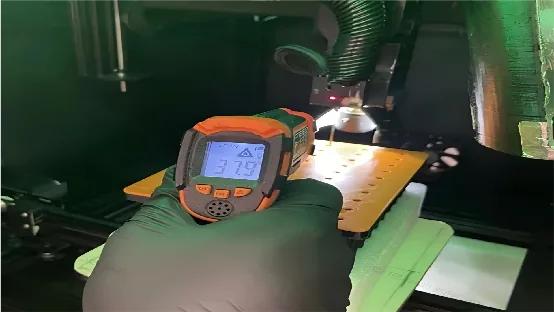
At Maxcore, we evaluate oil composition, viscosity, flow behavior, and atomization characteristics before defining the heating configuration. Our engineers can select an appropriate ceramic substrate and heating-track design according to the target oil, allowing oil delivery and vaporization to be considered together.
For brands working with multiple formulations, this oil-first approach can make the evaluation of a cannabis vape hardware manufacturer more meaningful. Instead of comparing devices only by appearance or capacity, teams can ask how each platform has been developed and tested against their actual oil.
Examine the Ceramic Heating System
The ceramic core is another important selection criterion. Ceramic hardware can differ in substrate structure, pore distribution, heating-track configuration, and oil-supply characteristics. These differences may influence how efficiently oil is transferred and vaporized.
Our patented POSTLESS® P30 ceramic coil is engineered to support consistent flavor across more than 100 oil formulations. The broader POSTLESS® platform uses a ceramic core sintered at 1,200°C with 100 million evenly distributed micropores across the oil-supply area. Maxcore specifies a 2.4-times oil-supply area and a 35% increase in oil-transfer speed for the technology.
For procurement and engineering teams, the important point is to look beyond the word “ceramic.” A cannabis vape hardware manufacturer should be able to explain the ceramic architecture, intended oil compatibility, and testing process behind its heating system.
Consider Capacity and Filling Requirements
Tank capacity should correspond to the product's commercial positioning and formulation requirements. Brands may need a compact 1.0ml format for one product while choosing a 2.0ml configuration for another. The filling process should also be considered because production efficiency and sealing consistency become increasingly important at commercial volumes.
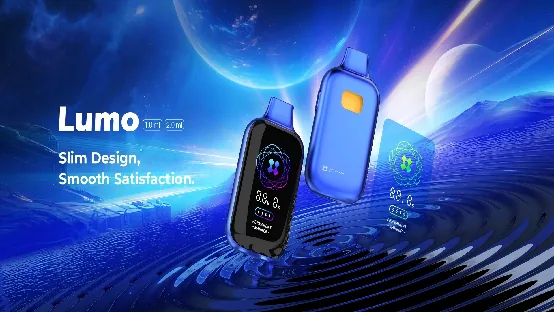
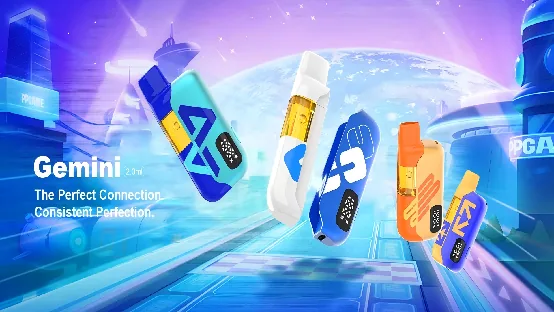
Maxcore's All-In-One portfolio includes multiple capacities and configurations. Our current product range includes 1.0ml and 2.0ml All-In-One options, while the Gemini magnetic pod system is listed with a 2.0ml tank.
For an empty device, brands should also clarify how filling and sealing are performed before placing a production order. The selected hardware should accommodate the filling equipment and process that the manufacturer intends to use.
Evaluate Oil-Contact Architecture
The internal oil path deserves particular attention when comparing empty All-in-One devices. Conventional vape designs may use a central metal post and cotton wick, creating additional components within the oil-contact pathway.
Our POSTLESS® architecture removes the conventional central metal post from the oil reservoir and uses a cotton-free ceramic heating element. The design is intended to reduce direct oil contact with internal metal components while supporting a more direct relationship between the oil and ceramic heating surface. It also incorporates a transparent oil window for visibility.
This architecture gives brands another technical criterion to include when assessing a cannabis vape hardware manufacturer. Rather than focusing exclusively on external appearance, teams can examine what materials and structures are actually present where the oil is stored and vaporized.
Look at the Device as a Complete System
Battery capacity, activation method, charging interface, dimensions, mouthpiece, and airflow can all influence the final product experience. These specifications should be evaluated together rather than selected independently.
The Gemini concept is designed around a magnetic pod connection, allowing the cartridge to be detached and replaced rather than requiring replacement of the entire battery. This can provide a different product architecture from a conventional disposable All-in-One. Maxcore's current product listing identifies Gemini as a 2.0ml Magnetic Postless Pod System.
For brands comparing an empty All-in-One vape with a replaceable pod approach, the choice should reflect the intended product lifecycle, packaging strategy, user experience, and manufacturing model.
Check Customization and Brand Integration
Hardware should also provide enough flexibility to create a product that belongs to the brand rather than looking like a generic component. Customization can cover exterior design, colors, finishes, oil windows, mouthpieces, activation, and other device elements.
We provide OEM/ODM services covering design, development, production, and quality control. Our current All-in-One range also lists customization options on selected products, including color, finish, oil window, mouthpiece, and other design elements.
This becomes especially important when selecting a cannabis vape hardware manufacturer for a long-term product line. The supplier should be able to support the brand's identity while maintaining the engineering requirements of the device.
Make the Hardware Fit the Product Strategy
The right empty vape is ultimately the one that connects the oil, heating system, device architecture, production process, and brand requirements. Capacity alone cannot determine whether a platform is appropriate.
At Maxcore, we combine oil analysis, ceramic engineering, real-oil testing, and OEM/ODM development to build hardware around suitable cannabis formulations. Our POSTLESS® technology provides a center-post-free and cotton-free architecture, while the P30 ceramic platform is designed for compatibility across a broad range of oil formulations.
For brands selecting an empty All-in-One vape, we recommend evaluating formulation compatibility first, then comparing ceramic technology, oil-contact architecture, capacity, filling, battery specifications, customization, and production support. This process gives teams a clearer technical basis for choosing a Maxcore vape platform that matches the product they intend to commercialize.