How Do You Compare Cannabis Vape Hardware Samples from Different Manufacturers?
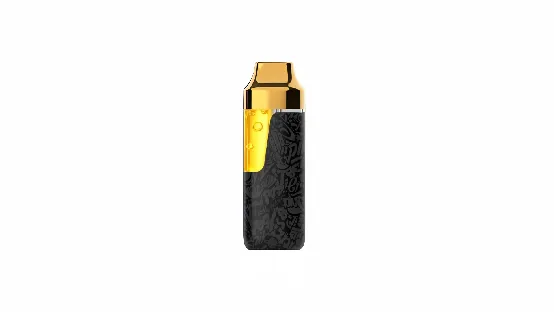
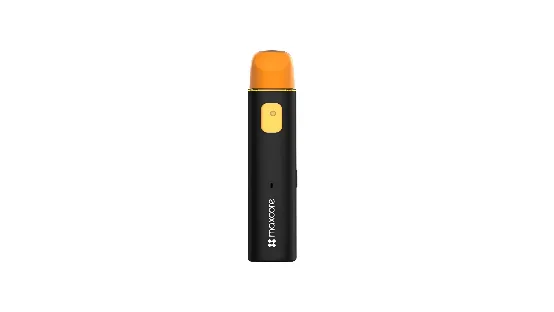
Choosing vape hardware by appearance, price, or a short demonstration can create problems once a cannabis product moves into commercial production. A meaningful sample comparison should examine how each device interacts with the oil, controls heat, manages airflow, and maintains consistency. For brands evaluating a cannabis vape hardware manufacturer, the goal is to build a repeatable testing process that separates attractive prototypes from hardware capable of supporting a stable product line.
Start With the Oil and Hardware Match
The first comparison should consider whether each sample is designed around the formulation you actually intend to fill. Cannabis oils can differ substantially in viscosity and flow behavior, so hardware that performs well with one formulation may not produce the same results with another. Research has also shown that oil composition and device temperature can influence aerosol characteristics and the behavior of device components.
Ask each cannabis vape hardware manufacturer to identify the oil types and viscosity ranges used during its development testing. Then test competing samples with the same formulation rather than allowing each supplier to demonstrate its preferred oil. This creates a more useful side-by-side comparison and helps reveal whether a device has been engineered for your actual product requirements.
Compare Oil Delivery and Heating Consistency
A sample should be evaluated across repeated cycles rather than judged from a few initial draws. Look for consistent oil delivery, stable vapor production, and changes in performance as the reservoir level decreases. Uneven heating or restricted oil movement can become more noticeable during extended testing.
The heating architecture also deserves close attention. Published research has identified metals and other materials in cannabis vape hardware and has examined how heating conditions can affect emissions. These findings make material selection, component construction, and temperature behavior relevant technical considerations when comparing suppliers.
At Maxcore, we approach this comparison through our POSTLESS® technology, which combines a center-post-free structure with a ceramic heating platform. The design provides clearer oil visibility and removes the conventional cotton wick from the heating structure, supporting more consistent oil delivery across compatible formulations.
Examine Airflow, Leakage, and Clogging
Airflow should be tested independently from heating performance. A sample may have an effective heating element but still create inconsistent results if its airflow pathway becomes restricted. Compare draw resistance, airflow stability, condensation behavior, and any visible accumulation around the mouthpiece or airway.
Leakage is another practical checkpoint. Inspect samples after filling, storage, transportation simulation, and repeated operation. Check the tank, seals, filling area, and connection points rather than relying solely on a manufacturer's claim of leak resistance.
For B2B buyers, these observations matter because a hardware issue that appears minor during sampling can become much more expensive when thousands of units are filled, packaged, shipped, and distributed.
Inspect Materials and Oil-Contact Components
Do not limit your material review to the visible tank. Request a component breakdown showing which materials contact the oil, which materials sit near the heating area, and how the electrical connections are constructed.
This deserves particular attention because research has detected metals originating from vape-device components in cannabis vape liquids and aerosols. One recent study found evidence linking detected particles with device components, including heating and connector materials.
A credible supplier should therefore be able to discuss material selection and provide appropriate documentation for the intended market. When comparing a cannabis vape hardware manufacturer, documentation should be considered alongside physical sample performance rather than treated as a separate purchasing exercise.
Test Samples Under Identical Conditions
A useful comparison requires a controlled test matrix. Use the same oil batch, fill volume, storage conditions, battery conditions, testing duration, and evaluation criteria for every sample. Record observations instead of relying on memory or first impressions.
Useful checkpoints include oil leakage, visible oil movement, draw consistency, vapor consistency, heating response, clogging, burnt taste, and physical changes after testing. For quantitative evaluation, establish measurable acceptance criteria before testing begins.
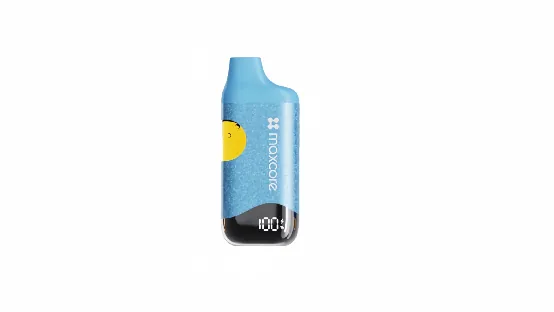
The same principle applies when evaluating a disposable cannabis vape manufacturer. A disposable device should be assessed as a complete system because the battery, heating element, reservoir, airflow, and activation mechanism can all influence final performance.
Evaluate Manufacturing and Scale-Up Evidence
A strong sample is only the beginning. Ask how closely the prototype matches mass-production units and whether the supplier can maintain critical dimensions, materials, heating characteristics, and assembly quality at scale.
Request information about quality-control procedures, production testing, inspection standards, and sample-to-production consistency. Also clarify how engineering changes are documented and approved. These questions help distinguish a supplier with a repeatable manufacturing process from one that simply produces attractive prototypes.
For brands comparing a disposable cannabis vape manufacturer, production evidence is particularly important because the entire device is typically integrated. A problem involving one component may therefore affect the performance of the complete finished unit.
Build a Commercial Comparison Framework
Rather than selecting a sample based on one impressive feature, create categories that reflect the product's commercial requirements. Hardware performance, oil compatibility, material documentation, manufacturing consistency, customization capability, quality control, lead time, and technical support can all be evaluated separately.
At Maxcore, we support this type of B2B development process through an oil-driven approach to hardware development. We evaluate formulation characteristics and then develop ceramic heating configurations around the target application. Our POSTLESS® platform is designed for different compatible cannabis oil formulations, including distillate, live resin, and rosin applications.
Turn Sample Results Into a Supplier Decision
The most useful sample comparison produces evidence that can guide engineering and purchasing decisions. Record the test conditions, document failures, compare results against predefined requirements, and ask suppliers to explain performance differences.
At Maxcore, we believe hardware evaluation should connect laboratory observations with commercial requirements. Our POSTLESS® architecture focuses on a center-post-free oil pathway and ceramic heating platform, while our OEM/ODM capabilities allow hardware configurations to be adapted to specific brand requirements.
From Prototype Testing to Production Confidence
Comparing vape samples is ultimately an exercise in reducing uncertainty. The strongest evaluation considers oil compatibility, heating behavior, airflow, leakage, materials, consistency, and manufacturing evidence together. By testing competing samples under identical conditions, brands can make supplier decisions based on measurable requirements rather than presentation alone.
For cannabis brands seeking a more structured hardware-development process, we at Maxcore combine POSTLESS® technology, ceramic heating solutions, oil-focused R&D, and OEM/ODM support to help turn hardware samples into production-ready solutions.