How to Prevent Clogging in Live Resin Vapes
For a cannabis brand, a live resin vape may perform well as a fresh sample but develop a restricted draw or weak vapor after filling, storage, or a period of use. Those failures can disrupt flavor consistency, increase returns, and affect customer satisfaction across a product line.
Live resin is a terpene-rich extract category, and the viscosity of its finished oil can place greater demands on hardware. This article explains why clogs occur, which hardware features may reduce the risk, and what brands should verify before choosing a device.
Why Do Live Resin Vapes Clog?
A blocked airway restricts the draw, while slow oil delivery leaves the heater undersupplied and produces weak vapor. Both problems can affect a live resin vape, but they occur at different points in the device.
High-Viscosity Oil Moves Slowly
When a finished oil is viscous, it takes longer to pass through the reservoir’s feed openings and saturate the heating element. If oil is vaporized faster than it can be replaced, output becomes weak or uneven. Small feed openings make this more likely because they limit how much oil can reach the heater between draws.
Oil and Condensate Build Up in Narrow Airways
As aerosol travels away from the heater, some of it cools and deposits on the inner surfaces of the vapor path. Oil that enters an airway adds to this residue. Repeated deposits around a narrow opening, bend, or mouthpiece can progressively reduce airflow until the draw feels clogged.
Storage and Cold Conditions Slow Replenishment
After filling, viscous oil may need time to saturate the heating element. In cold conditions, slower oil flow can also delay replenishment between draws. A live resin disposable vape pen can therefore have a difficult first draw after storage even when its airway is clear.
The Oil, Heater, and Power Do Not Match
The heating structure must receive oil at a rate that suits its output power. If power consumes oil faster than it arrives, the heater can become under-saturated. If oil accumulates faster than the heater can vaporize it, excess liquid may move toward the vapor path. Either mismatch can make a live resin vape perform inconsistently.
What Hardware Features Help Prevent Clogging?
Postless Oil-Chamber Design
A postless design removes the conventional center post from the oil chamber. This gives oil a more direct path toward the heating structure and removes spaces around the post where oil could collect.
Ceramic Heating Technology
A porous ceramic core brings oil into contact with the heated surface across a defined area. When its oil-transfer characteristics suit the formulation, the core can replenish that surface between draws and vaporize viscous oil more evenly. The feed openings and ceramic structure must be matched to the formulation.
Separate or Side Airways
Moving airways away from the main oil chamber makes it harder for reservoir oil to enter the draw path. Keeping the vapor path separate from the filling area also reduces the chance that misplaced oil will create a clog before first use.
Preheat and Matched Output Power
Preheat conditions viscous oil near the heating element before the first draw, helping it move into the ceramic structure. Output power then needs to vaporize oil at a rate the core can replenish.
How Does LUMO Address These Requirements?
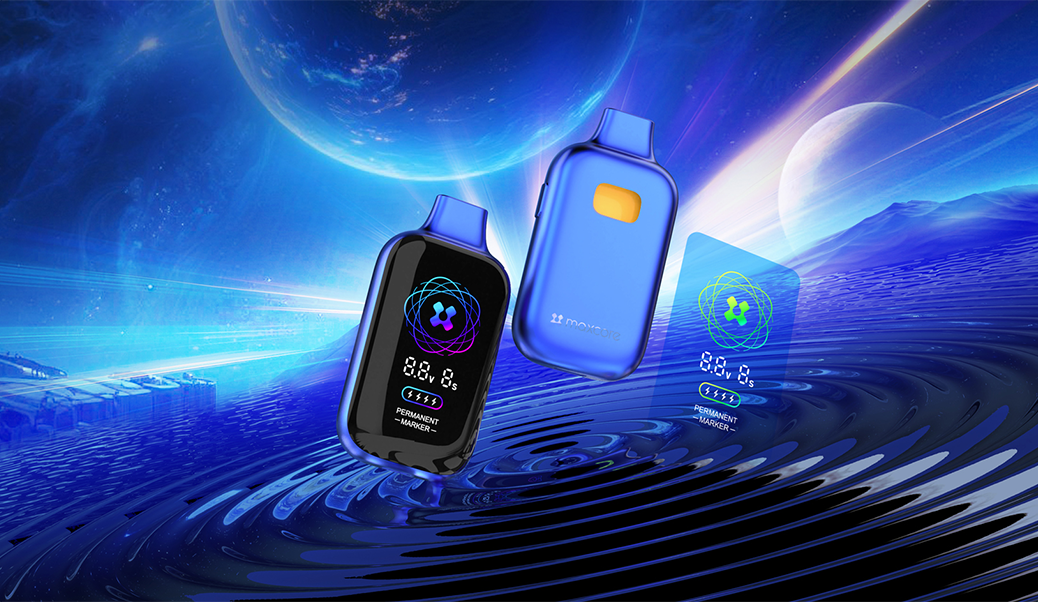
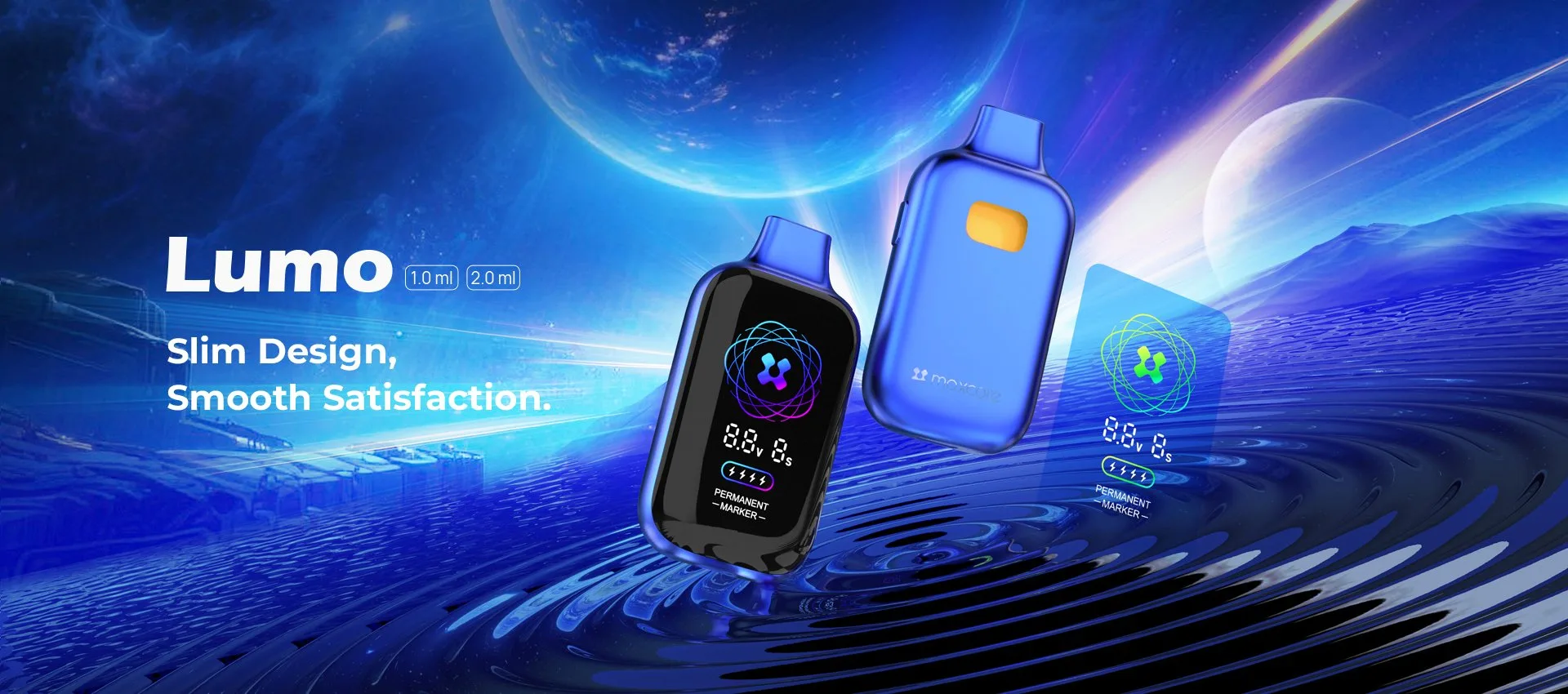
MAXCORE LUMO is a customizable all-in-one platform for brands developing live resin vapes. It brings together oil-delivery and production features that can help minimize clogging risk from filling through repeated use. It is available with 1.0 mL and 2.0 mL tanks.
POSTLESS® Design Reduces Center-Post Buildup
LUMO has no central post. Its open oil chamber gives oil a more direct route to the heating structure and removes spaces around a post where oil could collect.
POSTLESS Ceramic Core Supports Oil Delivery
LUMO’s patented POSTLESS ceramic core supports oil contact with the heating surface and steady vaporization. When the core is matched to the finished formulation, it can help reduce uneven oil delivery and weak output.
Live Resin Compatibility Supports Formulation Matching
MAXCORE offers oil-specific POSTLESS ceramic configurations for formulations including live resin. Brands evaluating LUMO can select the configuration intended for their finished oil, then check oil delivery and vapor performance across the full tank.
Preheat and Power Options Support the First Draw
LUMO includes built-in preheat and 5.5 W, 6 W, and 6.5 W output options. Preheat can help viscous oil reach the core before use, while an appropriately selected output may improve vapor consistency after storage or exposure to cold.
Filling Controls Help Protect the Airways
During LUMO filling trials, oil should enter the reservoir without entering the airways. Brands should verify the filling and capping sequence against the device-specific instructions for their oil and equipment.
What Should Brands Validate Before Launching a Live Resin Vape?
A hardware specification describes the device; a filled-device trial shows how it works with the intended oil. Brands selecting cannabis vape hardware should test the production formulation in filled and sealed units, using the same filling process and draw conditions throughout the comparison.
- First-Use Performance. After the recommended settling period, check activation, draw resistance, airflow, and vapor output on the first draw. Inspect the airway for oil introduced during filling.
- Low-Fill Performance. Repeat the draw test when the tank is nearly empty. Check whether oil still reaches the heater, whether output falls, and whether a dry or altered taste appears.
- Temperature Performance. Test filled devices at room temperature and at lower temperatures expected during storage or distribution. Compare first-draw resistance, oil movement, and vapor output.
- Rest-and-Reuse Performance. Leave devices unused for defined periods, then measure the first draw and the draws that follow. Look for increased resistance, oil around the mouthpiece, and changes in vapor output.
- Flavor Consistency. Compare flavor and vapor output at first use, mid-fill, and low fill. The best live resin disposable vape for a brand’s formulation should maintain the intended experience throughout the fill.
Choosing Hardware for a More Reliable Launch
Brands can reduce clogging risk by selecting hardware that delivers oil consistently, keeps the airway clear, and performs with the finished formulation after storage and through low fill. MAXCORE’s LUMO brings these considerations together in a customizable platform for brands to evaluate.
Share your oil and filling requirements with MAXCORE to discuss whether LUMO fits your product.
FAQs
What hardware features help prevent clogging in live resin vapes?
Choose feed openings and ceramic oil-transfer characteristics suited to the finished formulation. Match power output to the oil-replenishment rate, and prioritize an airflow structure that limits reservoir oil entering the vapor path.
Can preheat prevent a live resin vape from clogging?
Preheat can improve oil movement near the heater and help the first draw after storage. Preventing airway blockage also requires airflow design and filling controls that limit oil entry and residue buildup.
How can brands prevent clogging during filling?
Fill the reservoir without allowing oil into the airways, and follow the device-specific filling and capping sequence. After the recommended settling period, inspect for misplaced oil and check first-draw resistance and vapor output.
How can brands identify clogging risks before launch?
Test filled devices after storage, cold exposure, and defined periods of rest. Repeat checks at mid-fill and low fill. Compare multiple units for increasing draw resistance, airway deposits, and changes in vapor output.
How does LUMO help reduce clogging in live resin vapes?
LUMO’s postless chamber removes spaces around a center post where oil could collect. Its ceramic heating, built-in preheat, and output options help brands match oil delivery and heating to the finished live resin formulation.