Is a 1ml or 2ml Empty All-in-One Vape Better for Your Cannabis Product Line?
Choosing all-in-one vape hardware is a product-development decision, not simply a question of tank size. For cannabis brands, the choice between 1ml and 2ml capacity affects formulation planning, device dimensions, filling operations, positioning, and the intended use case. The right option depends on how your oil behaves and how you want the finished product to perform. At Maxcore, we develop cannabis vape hardware around oil behavior, ceramic heating, and atomization performance.
How Capacity Shapes Vaping Solutions
A 1ml or 2ml reservoir changes the amount of oil that a device can hold, but capacity should not be considered in isolation. A larger reservoir may support a longer product lifecycle between fills, while a smaller format can support a more compact product architecture. Brands also need to consider the formulation, expected consumption pattern, target market, packaging, and regulatory requirements in the markets where the product will be sold.
For example, California requires cannabis vape cartridges and integrated vaporizers to carry specific labeling and disposal information. Its rules also require cannabis goods to meet packaging requirements such as child resistance and tamper evidence. These requirements can influence the overall product and packaging design rather than just the internal tank volume.
When 1ml Hardware Makes Sense
A 1ml all-in-one vape can be a practical choice when a brand wants a compact device, a defined product quantity, or a portfolio built around multiple formulations. Smaller capacity can also make it easier to position several SKUs around different strains, flavors, or oil profiles without committing as much oil to each individual unit.
From a hardware-development perspective, the smaller reservoir can provide greater flexibility when overall device size is an important design consideration. However, the heating system still needs to match the oil. Capacity alone does not determine atomization quality, and a well-designed 1ml device should be evaluated for oil transfer, heating consistency, airflow, and end-of-life performance.
When 2ml Hardware Makes Sense
A 2ml all-in-one vape may be appropriate for brands seeking greater oil capacity within a single device. It can support product concepts where longer use between fills is part of the intended value proposition. For B2B teams, however, the additional capacity also means evaluating whether the heating platform can maintain consistent oil delivery throughout the larger reservoir.
This becomes particularly important when working with different oil viscosities. At Maxcore, we provide ceramic heating configurations developed for applications involving distillate, live resin, rosin, and other formulations. Our POSTLESS® technology combines a center-post-free architecture with a cotton-free ceramic heating element, while oil-specific configurations are available for different flow characteristics.
Compare the Total Product Architecture
The most useful comparison is not simply 1ml versus 2ml. Product teams should assess reservoir geometry, oil-contact materials, ceramic heating, airflow, battery capacity, activation, filling, and dimensions as one system.
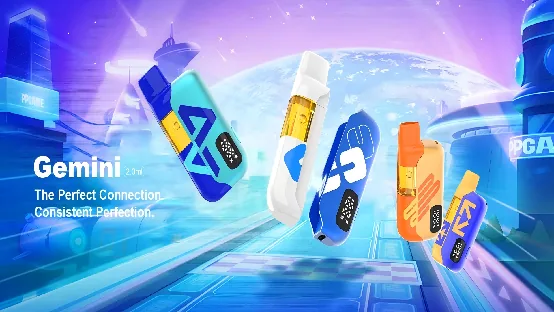
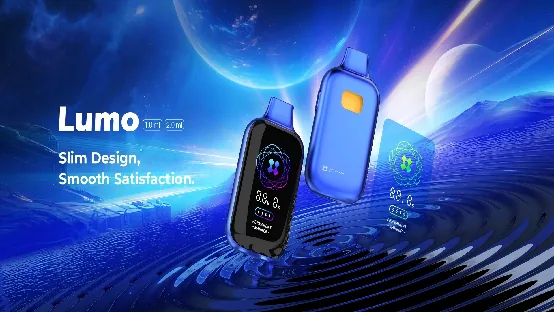
Maxcore’s current all-in-one portfolio includes models with both 1.0ml and 2.0ml tank options. For example, our Pixie Ultra-Compact Postless All-In-One Vaporizer is listed with 1.0ml/2.0ml capacity, while Lumo is also available in 1.0ml/2.0ml configurations. This gives brands room to evaluate capacity alongside the intended industrial design rather than treating volume as an isolated specification.
Capacity Should Follow the Oil and Product Strategy
For cannabis brands, formulation compatibility should be established before locking in a hardware capacity. Higher-viscosity oils can require different heating and oil-transfer characteristics from conventional distillates. Testing should therefore examine how the selected ceramic system performs from the first activation through the end of the oil supply.
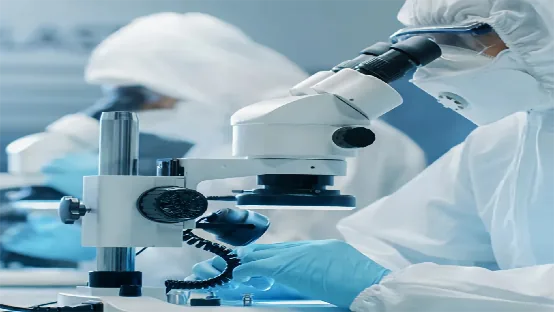
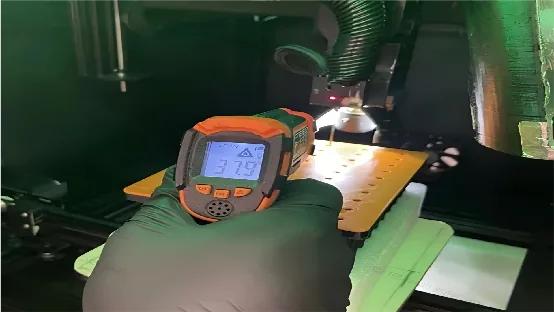
This is where structured vaping solutions can reduce development risk and improve project planning. Instead of selecting a tank and adapting the formulation afterward, product teams can evaluate oil behavior, ceramic heating, airflow, filling, and device configuration together. Maxcore reports testing across more than 100 oil formulations and maintains laboratory capabilities for device testing and compatibility work, supporting a development process centered on actual oil behavior.
How OEM ODM Services Help Brands Decide
The 1ml versus 2ml decision shows where OEM ODM services can add value for B2B teams. A B2B hardware program may involve industrial design, CMF customization, prototypes, oil compatibility testing, filling validation, engineering verification, and production scale-up. Managing these stages together helps reduce the risk of making a capacity decision before the rest of the product architecture is understood.
At Maxcore, our custom development workflow covers product definition, industrial design, verification, trial production, and manufacturing. We can also customize device design, oil capacity, mouthpiece, activation method, display, LED effects, battery configuration, and ceramic heating technology according to project requirements.
Making the Capacity Decision
There is no universal advantage to choosing 1ml or 2ml. A 1ml format may fit brands prioritizing compactness, SKU flexibility, or a specific product quantity. A 2ml format may fit programs that place greater emphasis on reservoir capacity and longer use within one device. The decision should be validated against oil formulation, atomization performance, device architecture, manufacturing requirements, and target-market rules.
For B2B buyers, strong vaping solutions are developed around the complete product rather than a single specification. At Maxcore, we combine POSTLESS® architecture, ceramic heating, oil compatibility testing, and manufacturing support to help cannabis vape brands develop hardware around their actual product requirements. Our OEM ODM services connect design, engineering, testing, production readiness, and delivery.