What Causes Performance Differences Between 510 Cannabis Vape Cartridges?
A 510 connection creates a familiar hardware format, but it does not guarantee identical cartridge performance. Two cannabis vape cartridges can share the same thread specification while producing different draw resistance, vapor output, oil utilization, and consistency. For cannabis brands evaluating vaping solutions, understanding the engineering factors behind these differences is important for selecting hardware that matches the formulation, battery, filling process, and intended product experience.
510 Compatibility Is Only the Starting Point
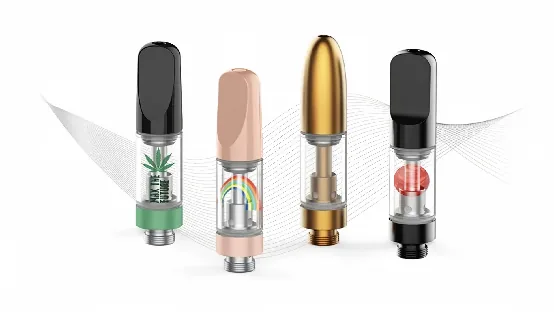
The 510 format establishes a common mechanical and electrical connection between the cartridge and compatible battery. However, the thread itself represents only one part of the overall system. Heating components, oil-feed paths, airflow channels, reservoir geometry, seals, and electrical characteristics can all affect how a cartridge performs.
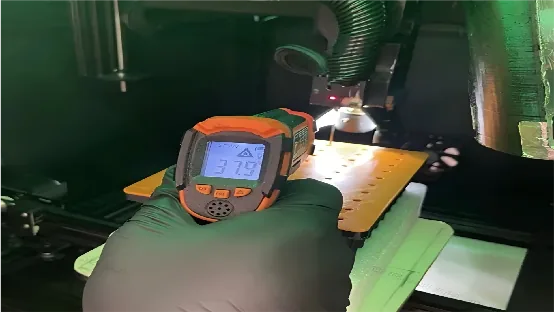
Research on cannabis vaporization systems has demonstrated that cartridge construction can include multiple interacting components, including the tank and heating element. Studies have also examined temperature behavior in cartridge heating systems, showing why heating conditions can influence vapor generation.
For commercial buyers, this means comparing cartridges only by their 510 compatibility can overlook important engineering differences. Effective solutions for vaping need to consider the complete hardware system rather than treating the connector as the primary performance specification.
Oil Viscosity Changes Cartridge Behavior
Cannabis extracts do not all have the same flow characteristics. A formulation's viscosity affects how quickly oil can move from the reservoir toward the heating area. If oil reaches the heating element too slowly, the element may receive insufficient liquid during repeated activation. If oil moves too quickly, flooding, leakage, or other flow-related problems can occur.
Recent hardware engineering guidance similarly emphasizes matching cartridge intake geometry and heating structures with oil viscosity. This is particularly relevant when brands move between different formulations while keeping the same cartridge architecture.
For B2B development, the practical lesson is straightforward: vaping solutions should be evaluated with the actual oil formulation rather than tested only with a generic reference liquid. A cartridge that performs well with one formulation may require different flow or heating characteristics for another.
Heating Element and Resistance Affect Vapor Output
The heating system is another major source of performance variation. Resistance influences the electrical power delivered to the heating element at a given voltage. However, resistance alone does not determine performance because the physical structure, thermal response, oil saturation, and airflow system also contribute.
A recent ASTM initiative covering cannabis vaporizer safety and testing identifies device and hardware design, airflow, components, and performance as connected areas for industry standardization. This reflects the engineering reality that cartridge performance cannot be reduced to a single component specification.
Battery output must also correspond with cartridge design. Applying more power is not necessarily a solution for slow oil feeding. If the heating element becomes hotter faster than fresh oil can reach it, the balance between heating and oil supply can deteriorate. Therefore, battery-cartridge matching should be part of hardware validation.
Airflow and Oil-Path Geometry Matter
Airflow determines how easily air enters the cartridge and how vapor travels through the internal pathway. Differences in inlet size, airway dimensions, and internal geometry can change draw resistance and vapor movement even when two cartridges have similar external dimensions.
Airflow also interacts with oil flow. Excess oil or condensation in the airway can contribute to restricted draws, while an overly restrictive inlet can affect the overall user experience. Recent cartridge engineering guidance identifies airflow, oil-path design, and reservoir construction as interconnected variables.
For brands developing solutions for vaping, this makes internal geometry an important procurement consideration. A supplier should be able to explain how airflow and oil delivery were evaluated together rather than treating them as independent specifications.
Materials and Manufacturing Consistency Cannot Be Ignored
Material selection is another area where cartridges that look similar can perform differently. Components that contact cannabis extract may experience heat and chemical exposure, making material compatibility an important engineering consideration. ASTM is currently developing guidance concerning restricted substances in materials used to manufacture cannabis and hemp extract vaporizers.
Independent research has also investigated metals detected in aerosols from cannabis vaping products and identified cartridge components as a potential source requiring further evaluation. These findings reinforce the importance of controlled materials, component sourcing, and appropriate testing for commercial hardware.
Manufacturing consistency matters just as much. Small variations in ceramic structure, seals, airflow openings, or assembly can create differences between production batches. Consequently, commercial buyers should evaluate not only prototype performance but also manufacturing controls and quality inspection procedures.
How We Approach Custom Cartridge Development at Maxcore
At Maxcore, we approach custom vape hardware as a development process rather than simply a component purchase. We guide cannabis vape brands from product definition and industrial design through engineering verification, trial production, manufacturing readiness, and delivery.
Our OEM/ODM workflow allows us to consider the formulation, hardware architecture, battery relationship, filling requirements, and intended product specifications together. This helps brands evaluate solutions for vaping against their actual product requirements before committing to larger-scale production.
We also recognize that a successful prototype is not enough for B2B commercialization. Repeatability, production readiness, and alignment between engineering and manufacturing are important when a cartridge moves from samples into volume production.
Making the Right Hardware Comparison
When comparing 510 cartridges, buyers should look beyond thread compatibility and headline specifications. A meaningful evaluation can include oil compatibility, heating behavior, resistance, airflow, reservoir and sealing design, materials, filling performance, battery compatibility, and batch-to-batch consistency.
Testing should use the intended formulation and representative battery conditions whenever possible. ASTM's ongoing work on cannabis vaporizer testing reflects the industry's broader need for more consistent approaches to evaluating device performance, materials, aerosols, and component interactions.
Building a More Consistent Cartridge Program
Performance differences between 510 cannabis vape cartridges usually come from the interaction of multiple engineering variables rather than one isolated feature. Oil viscosity, heating design, resistance, airflow, materials, manufacturing tolerances, and battery output can all contribute to the final result.
For cannabis brands, selecting vaping solutions should therefore involve technical validation alongside commercial considerations. At Maxcore, we provide custom vape hardware development and manufacturing that connects product definition, design, engineering verification, trial production, and manufacturing execution, helping brands develop solutions for vaping aligned with their specific hardware requirements.