What Should You Check Before Filling New 510 Vape Hardware with Distillate?
A new 510 vape cartridge should not go directly from the box to production filling. Distillate may look straightforward to process, but hardware performance depends on the interaction between the oil, heating element, reservoir, seals, airflow, and battery. For cannabis brands, a structured pre-fill inspection can reduce leakage, clogging, inconsistent vaporization, and avoidable production losses while supporting more reliable vaping solutions.
Confirm Hardware and Distillate Compatibility
The first check is whether the hardware was designed and validated for the intended oil. Distillate can vary in viscosity, cannabinoid concentration, terpene content, and other formulation characteristics. A cartridge that performs adequately with one formulation should not automatically be assumed to behave identically with another.
We recommend confirming the supplier's intended oil range and reviewing previous compatibility testing before filling. If the hardware is new or the formulation has changed, a controlled sample test is more appropriate than immediately committing an entire production batch. This step connects hardware selection with the broader cannabis vaping supply chain.
Inspect the Reservoir and Oil-Contact Components
Before filling, inspect the reservoir for cracks, deformation, contamination, or manufacturing defects. The inspection should also cover components that directly contact the oil, including the heating element, seals, center structure, and other internal surfaces.
Material documentation matters because the oil path becomes part of the finished product. Buyers should request relevant material specifications and quality documentation from the manufacturer instead of relying solely on appearance. This is particularly important for brands building repeatable vaping solutions across multiple production batches.
The cartridge should also be checked for dimensional consistency. Small differences in component fit can affect sealing and assembly. Incoming quality control can identify these issues before filling equipment, labor, and finished oil are committed to a questionable batch.
Check the Heating System Before Filling
The heating element deserves a separate functional review. Its resistance, electrical connection, construction, and relationship with the oil reservoir can influence how consistently the cartridge vaporizes its contents.
A visual inspection should confirm that the heating structure is intact and properly assembled. Electrical testing can then identify abnormal resistance or connection problems before filling. Once oil has entered the cartridge, troubleshooting a defective heating assembly becomes more complicated and potentially more costly.
For commercial buyers, these checks should become documented acceptance criteria rather than informal observations. Consistent incoming inspection gives the cannabis vaping supply chain a clearer quality-control record and makes supplier discussions easier when defects occur.
Examine Airflow and Sealing
Airflow should be checked before the cartridge is filled because an obstruction or assembly problem can be harder to diagnose afterward. Inspect the mouthpiece, air inlet, internal pathway, and connections for visible defects or contamination.
Sealing is equally important. Poorly seated seals can allow oil migration during storage or transportation, while excessive restrictions can affect the draw. A basic empty-cartridge airflow test can therefore provide useful information before the hardware enters production.
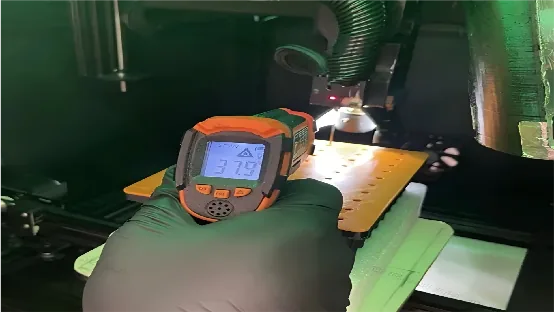
Temperature and transportation conditions should also be considered. Changes in temperature can affect oil behavior and may expose weaknesses in seals or interfaces. A cartridge that appears acceptable on a production bench may require additional testing under realistic storage and logistics conditions.
Review Battery and Activation Performance
A 510 system is more than an oil reservoir and atomizer. The battery and activation system must work consistently with the cartridge. Before filling, verify electrical contacts, activation behavior, charging functions where applicable, and indicator operation.
Brands should establish a defined acceptance procedure rather than relying on one successful activation. Repeated activation testing can reveal intermittent connections or inconsistent electrical behavior. These checks are especially useful when hardware comes from a new supplier or when an existing design has undergone engineering changes.
A reliable cannabis vaping supply chain depends on repeatability across both hardware and filling operations. Battery performance should therefore be documented alongside cartridge inspection rather than treated as a separate consumer-facing issue.
Test a Representative Sample With the Actual Distillate
Empty-hardware testing is necessary, but representative oil testing provides another level of validation. A brand can select samples from a production-intent batch and evaluate them using the actual distillate formulation.
Testing should examine filling behavior, leakage, activation, airflow, vapor consistency, and changes during storage. The purpose is not simply to determine whether a cartridge works once, but whether the complete hardware-and-oil combination behaves consistently.
This approach also helps separate formulation problems from hardware problems. If a change in distillate produces different performance, the development team has evidence for investigating the oil formulation, hardware, or their interaction instead of assuming that one component is responsible.
Document Materials, Testing, and Regulatory Requirements
Cannabis vape products are subject to different requirements depending on the jurisdiction and intended market. Brands should therefore confirm applicable rules for materials, manufacturing, labeling, testing, and finished products before production.
Public-health agencies have also documented safety concerns surrounding THC-containing vaping products and additives. The CDC and FDA have specifically identified vitamin E acetate as strongly associated with the EVALI outbreak and advise against adding it to vaping products.
For manufacturers, the practical lesson is to maintain clear documentation about what goes into the product and how the hardware is tested. That documentation supports traceability throughout the cannabis vaping supply chain and can make quality investigations more manageable.
Build Pre-Fill Inspection Into OEM/ODM Development
Pre-fill inspection works best when it begins during hardware development rather than after mass production has started. At Maxcore, we guide cannabis vape brands through product definition, vape industrial design, verification, trial production, and vape manufacturing within a coordinated OEM/ODM workflow.
We can align engineering and testing requirements with the intended application before production begins. This creates opportunities to identify problems in sealing, heating, airflow, assembly, or filling compatibility earlier, when design adjustments are generally easier to manage.
Make Every Fill a Controlled Production Step
Filling new 510 hardware should be treated as a controlled manufacturing stage, not simply a step between purchasing and packaging. Hardware compatibility, material quality, heating performance, airflow, sealing, electrical function, and actual-oil testing all deserve attention.
For brands developing dependable vaping solutions, we support a structured process that connects product development with verification and manufacturing readiness. By establishing clear pre-fill criteria and validating representative hardware before scale-up, brands can build greater consistency into their products and their wider cannabis vaping supply chain.