What Should You Compare When Sourcing Empty Disposable Vapes for Cannabis Oil?
Sourcing an empty disposable vape for cannabis oil involves more than comparing capacity, appearance, and unit price. The hardware must work with the intended formulation while meeting a brand's requirements for heating, oil delivery, airflow, usability, customization, and production consistency. For B2B buyers, comparing these factors systematically can reveal meaningful differences between suppliers and help prevent compatibility problems after a design has already entered production.
Start With Oil Compatibility
The first comparison should be how each platform handles the intended oil. Viscosity, flow behavior, and formulation composition can influence how efficiently oil reaches the heating surface. Research has shown that liquid delivery can affect coil temperature, while cannabis vaporization studies have found substantial temperature differences between device configurations.
We therefore recommend discussing the formulation before selecting the hardware. At Maxcore, our development approach considers oil characteristics when defining the appropriate atomization and delivery architecture. This helps move the evaluation beyond a generic specification sheet toward formulation-specific compatibility.
Compare the Heating and Atomization System
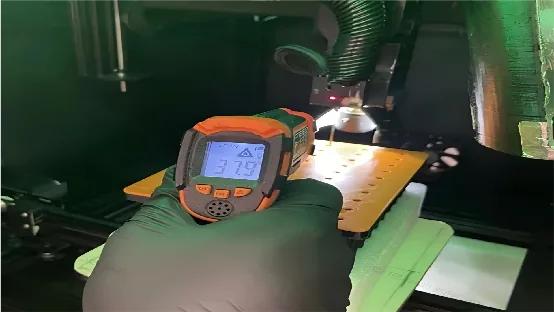
The heating system deserves close attention because nominal voltage or resistance does not fully describe actual thermal performance. Research using infrared thermography found that voltage-controlled cannabis vaporization systems could produce considerably higher and more variable coil temperatures than a temperature-controlled system.
When comparing a cannabis vape hardware manufacturer, brands should ask what heating technology is used, how the heating structure is engineered, and how thermal behavior is validated. Ceramic architecture, heating-track configuration, electrical parameters, and oil contact can all influence the final system.
A supplier should also explain how its atomizer is matched to the formulation instead of simply presenting the same heating configuration for every application.
Examine Oil Delivery and Leakage Control
An empty device still needs an appropriately engineered oil path. Reservoir geometry, seals, openings, internal surfaces, and the interface with the atomizer can affect how oil moves through the system.
Research into cannabis vaporization has demonstrated that formulation viscosity and device design can interact in ways that affect liquid replenishment at the heating surface. This makes oil delivery worth evaluating during development rather than treating it solely as a filling-stage concern.
For procurement teams, useful comparisons include oil-path design, sealing architecture, compatibility testing, and performance across representative formulations. A platform that works with one oil should not automatically be considered validated for every formulation.
Compare Airflow and Overall Architecture
Airflow affects the relationship between the heating area and the aerosol path. Research on vaporizer design identifies airflow as one of the factors involved in aerosol behavior, alongside heating-element characteristics and liquid delivery.
We therefore consider airflow as part of the complete hardware architecture. Brands should compare the consistency of the draw, airflow structure, mouthpiece design, and relationship between the air path and atomization system.
For disposable products, these details also need to coexist with a compact overall structure. A supplier should demonstrate that miniaturization has been considered alongside functional requirements rather than achieved simply by reducing component dimensions.
Evaluate Form Factor and User Interface
Once core compatibility has been established, brands can compare the physical experience and customization possibilities. Shape, dimensions, materials, surface finish, display integration, and controls may all contribute to product differentiation.
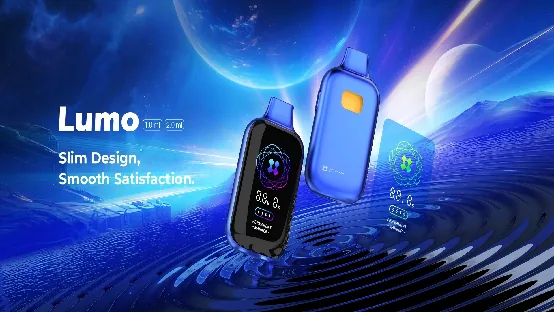
Our Lumo platform combines a POSTLESS® design with a full-screen smart display and customizable UI. It is engineered around a thin, compact form factor, while also incorporating a preheat function and built-in child-lock feature. For brands seeking a more differentiated product, these capabilities create additional areas for hardware and interface customization.
The key question is which elements can actually be customized. A strong supplier should be able to distinguish between simple cosmetic changes and meaningful engineering customization.
Look Beyond the Prototype
A visually impressive prototype does not necessarily demonstrate production readiness. Brands should compare how suppliers handle engineering validation, component consistency, assembly, quality control, and design changes before placing substantial orders.
We suggest asking for information about prototype testing and production controls. The supplier should be able to explain how an approved design is translated into manufacturing specifications and how critical components are controlled across production batches.
This distinction matters when comparing disposable vape manufacturers because the commercial product needs to reproduce the characteristics established during development. A successful sample is only one stage of the supplier evaluation.
Compare Materials and Component Quality
Material selection should also receive attention. Internal components come into prolonged contact with the formulation and may be exposed to significant heat. Research examining cannabis vaporizer cartridges has identified metals and other component materials as potential sources of elemental migration into oil and aerosol, highlighting why material evaluation matters.
Brands should therefore ask suppliers which materials are used in reservoirs, heating structures, seals, electrical contacts, and other oil-contacting components. Documentation and appropriate testing can provide stronger evidence than a general statement about “premium materials.”
This comparison is particularly important when a brand plans to use the same hardware platform with multiple formulations.
Compare Customization and Development Support
Customization should extend beyond colors and logos when a brand's formulation or product positioning requires a different architecture. Ask whether the supplier can modify the heating system, oil path, airflow, enclosure, interface, or other relevant elements.
At Maxcore, we connect hardware development with formulation requirements and production considerations. This allows B2B customers to discuss product concepts with engineering requirements in mind rather than selecting a fixed device first and attempting to adapt the oil afterward.
When evaluating a cannabis vape hardware manufacturer, this development capability can be more informative than catalog breadth alone.
Build a Practical Sourcing Comparison
A useful comparison should bring all these factors together: oil compatibility, atomization technology, oil delivery, airflow, materials, form factor, customization, testing, quality control, and production scalability.
At Maxcore, we approach empty disposable vape development as an integrated hardware project. Lumo demonstrates how a POSTLESS® architecture, smart display, customizable UI, compact form factor, preheat function, and built-in child-lock can be combined into a differentiated platform.
For brands sourcing empty hardware, the goal is not simply to find a device that fits the oil reservoir specification. It is to identify a platform whose engineering, customization, validation, and manufacturing capabilities align with the formulation and commercial requirements of the product program.