When Does a Compact Empty Cannabis Vape Make Sense for a Premium Oil Product?
Premium cannabis oils place unusual demands on the hardware used to deliver them. For brands developing a compact empty vape, the question is not simply whether a device is small enough or visually premium. The more important issue is whether the hardware can work consistently with the oil’s viscosity, composition, heating requirements, and intended user experience. For business buyers, selecting suitable vaping solutions therefore starts with understanding the relationship between formulation and device design.

Why Premium Oils Need More Than a Small Form Factor
A compact device can make sense when portability, discreet form, and efficient use of internal space are important to the product concept. Yet reducing the hardware footprint should not mean reducing attention to oil behavior. Cannabis oils can vary considerably in composition and viscosity, while cannabinoids and terpenes can respond to heat in different ways.
Research has shown that vaping conditions can influence cannabinoid transformation. A 2025 study found that changing coil power affected the formation of thermal transformation products from CBD, CBDA, and Δ9-THC. Earlier FDA-affiliated research also demonstrated that cartridge temperature can vary substantially between devices and power conditions. These findings reinforce why hardware and oil should be evaluated as a system rather than as separate components.
When a Compact Empty Vape Is a Practical Choice
A compact empty vape is particularly relevant when a cannabis brand wants to fill its own oil while maintaining control over formulation, packaging, and production. This model can support differentiated products without requiring every oil brand to adopt an off-the-shelf cartridge architecture.
For premium products, the compact format can also support a more controlled industrial design. Battery size, oil reservoir, mouthpiece geometry, airflow, and heating architecture can be considered together during development. The objective is not simply miniaturization, but a balanced device that can accommodate the oil and provide repeatable atomization.
Ceramic Heating and Oil Compatibility Matter
Heating technology is one of the most important variables in vaping solutions. Ceramic heating systems are often considered during cannabis hardware development because the heating structure directly affects how oil is transferred and atomized. However, ceramic construction alone does not guarantee suitable performance. Temperature behavior, power delivery, oil formulation, airflow, and the physical relationship between the oil and heating element all require evaluation.
Scientific studies have demonstrated that heating conditions can affect cannabis constituents and aerosol chemistry. Research on ceramic-coil cartridges has also measured substantial temperature differences under different power conditions. For manufacturers, this means a premium device should be assessed through controlled testing rather than judged only by component selection or appearance.
Testing the Complete Oil-and-Hardware System
Oil compatibility testing becomes especially important when a brand is introducing a new formulation. Viscosity, ingredient selection, storage conditions, and heating behavior can influence filling and atomization performance. A device that works well with one oil may require adjustment when the formulation changes.
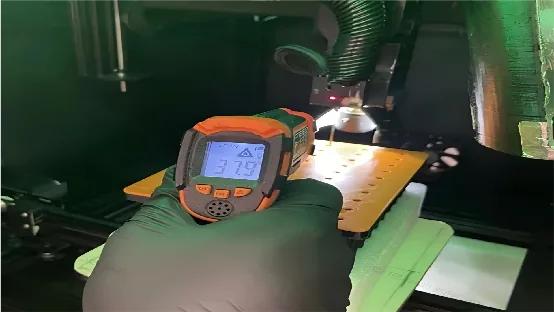
At Maxcore, we operate advanced laboratories in the United States and Thailand to support custom vape hardware development and testing for global cannabis vape brands. Our U.S. laboratory focuses on R&D and device testing, including longevity, environmental performance, and oil compatibility. Our Thailand laboratory, launched in 2024 after three years of preparation, expands our global testing capacity.
Our testing work draws on more than 50 professionals from three major research institutes. We use this expertise to evaluate new oil formulations and help optimize compatibility, flavor delivery, and device performance. For B2B buyers, this type of development process can help turn a compact hardware concept into a product that has been evaluated against its intended formulation.
When Custom Development Adds Value
Custom development becomes useful when a brand has requirements that cannot be addressed by a standard empty vape. A specific oil viscosity, reservoir volume, airflow preference, exterior form, or filling process may require changes to the hardware architecture.
This is where solutions for vaping should be treated as an engineering project rather than a packaging decision. The device, oil, filling method, and intended operating conditions need to be considered together. Early testing can also identify issues before mass production, reducing the risk of costly tooling or process changes later.
Filling Consistency Is Part of Device Performance
A well-designed vape can still encounter production problems if oil filling is inconsistent. Filling temperature, equipment settings, handling procedures, and process controls can influence the amount of oil introduced into each unit and the cleanliness of the production process.
At Maxcore, we provide oil filling instructions and optional on-site technical guidance for custom vape production. Our support covers filling parameters, equipment operation, handling procedures, and process checks. For brands scaling a premium cannabis product, this production support can complement hardware development and help create more consistent manufacturing workflows.
Choosing Hardware Around the Product
The right compact empty vape depends on the product requirements rather than a universal device specification. Brands should evaluate oil compatibility, heating behavior, airflow, filling requirements, durability, and intended form factor before finalizing the hardware.
For premium cannabis brands, vaping solutions can be most effective when development begins with the oil and works outward to the device. At Maxcore, we combine custom hardware development, laboratory testing, and filling guidance to help brands develop solutions for vaping around their specific formulation and production requirements.