Which Cartridge Hardware Features Matter When Packaging Premium Rosin?
Premium rosin can place demanding requirements on vape hardware because its physical behavior may differ from more fluid cannabis extracts. For brands packaging rosin in a cartridge, reservoir geometry, oil delivery, heating architecture, materials, airflow, and electrical control all need to work together. ASTM's guide for cannabis extract vaporizers identifies individual components, design elements, and basic functions as important device characteristics. Selecting vaping solutions for premium rosin should therefore begin with the extract and work outward to the complete hardware system.
Start With Rosin Flow Behavior
Rosin should be evaluated according to its actual formulation and operating conditions rather than treated as a single standardized material. Its flow behavior can affect how efficiently the extract moves from the reservoir toward the heating element, particularly when temperature changes during storage, transportation, and use.
For buyers, this means the cartridge should be tested with representative rosin rather than selected solely according to nominal capacity. Reservoir dimensions, oil-path geometry, inlet configuration, and heating-element structure can all influence delivery.
A hardware specification that performs well with a more fluid extract may not automatically provide the same feeding behavior with premium rosin. The objective is controlled delivery to the heating surface without creating conditions that contribute to flooding, leakage, or insufficient feeding.
Examine the Heating Architecture
The heating element is one of the most important cartridge features for rosin packaging. Buyers should look beyond a general description such as “ceramic” and examine the heating architecture, resistance, surface area, and relationship between the heating element and oil path.
ASTM's ongoing vape-device safety and testing initiative specifically identifies atomizers, ceramic materials, vapor paths, airflow, performance, and component interactions as areas requiring greater standardization and evaluation.
For premium rosin, testing should examine how consistently the heating system vaporizes the formulation during repeated operation. A suitable design should be evaluated for vapor consistency, oil feeding, flavor characteristics, and residual oil behavior rather than relying on theoretical heating specifications alone.
Control Oil Delivery Through Cartridge Geometry
Reservoir and inlet design directly influence how extract reaches the atomizer. The cartridge should provide a controlled path from storage to heating while maintaining sufficient supply during operation.
Capacity should also be considered carefully. A larger reservoir does not automatically mean better performance. Increasing volume can change the internal dimensions, headspace, oil path, and physical relationship between the reservoir and heating element.
ASTM's current classification work for electronic cannabinoid delivery systems identifies reservoir characteristics, heat-source characteristics, power-source integration, and portability as distinct considerations when describing device systems.
For brands evaluating vaping solutions, this system-level approach is useful because it prevents reservoir capacity from being considered separately from the components responsible for vaporization.
Pay Attention to Materials
Material selection becomes particularly important when cartridge components have direct or indirect contact with cannabis extract. Buyers should identify the materials used in the reservoir, heating system, seals, mouthpiece, and vapor path.
ASTM is developing guidance specifically addressing substances in materials used to manufacture cannabis and hemp extract vaporizers. Its proposed scope considers metals, ceramics, glass, plastics, and polymers that may have direct or indirect contact with liquid extract.
This does not mean that one material is universally appropriate for every cartridge. Instead, brands should request material information and evaluate compatibility according to the formulation, temperature exposure, mechanical requirements, and applicable market regulations.
Match Airflow With Heating Performance
Airflow is another hardware feature that should be evaluated during rosin cartridge development. The airflow path affects the user's draw and interacts with the heating system during vapor generation.
A cartridge with an unsuitable airflow configuration may produce an inconsistent draw even when its heating element performs adequately. Buyers should therefore evaluate draw resistance, airflow consistency, vapor production, and activation response together.
ASTM's vape-device testing initiative lists airflow and vapor-path performance among its areas of focus, reflecting the importance of component interaction rather than evaluating isolated specifications.
For premium products, this testing can also help engineering teams determine whether the cartridge delivers a repeatable experience across multiple production samples.
Verify the Power and Connection System
The cartridge must also be compatible with its intended battery or power source. Electrical specifications such as resistance, operating voltage, power delivery, connection type, and activation method should be defined during hardware development.
Power-source integration is specifically identified by ASTM as one of the characteristics used in its developing classification framework for electronic cannabinoid delivery systems.
For B2B buyers, the important point is that a cartridge should not be qualified independently from its intended power source. Testing the complete assembly can reveal differences in heating behavior, activation, airflow, and overall performance that may not appear during component-level inspection.
Build Testing Into OEM ODM Services
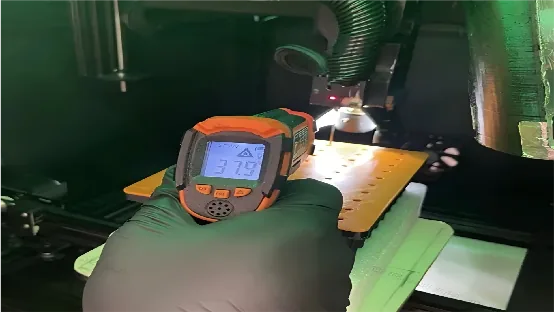
Premium rosin hardware requires a structured validation process before volume production. At Maxcore, we guide cannabis vape brands through a five-step custom vape development process covering product definition, vape industrial design, verification, trial production, and vape manufacturing.
Our OEM ODM services keep design, engineering, testing, production readiness, and delivery aligned within one project workflow. This allows cartridge requirements to be reviewed alongside the oil formulation instead of being finalized independently.
We can evaluate hardware requirements around oil behavior, ceramic heating, atomization performance, and production conditions. This approach also provides a basis for refining the design when testing identifies changes needed in the oil path, heating system, or other components.
Use Quality Control Before Scaling
Prototype approval should be followed by controlled production validation. At Maxcore, we integrate quality control throughout custom vape hardware development and manufacturing, beginning with quality planning and design audits.
Each device undergoes compatibility testing with customer oils, evaluation based on real-world user feedback, and final pre-shipment inspection. We also provide optional on-site oil-filling guidance and responsive after-sales support.
For brands purchasing OEM ODM services, these steps can help connect initial cartridge specifications with repeatable manufacturing outcomes. Testing should establish whether the final hardware maintains consistent oil feeding, heating, airflow, and overall performance across production samples.
Conclusion: Design the Cartridge Around Premium Rosin
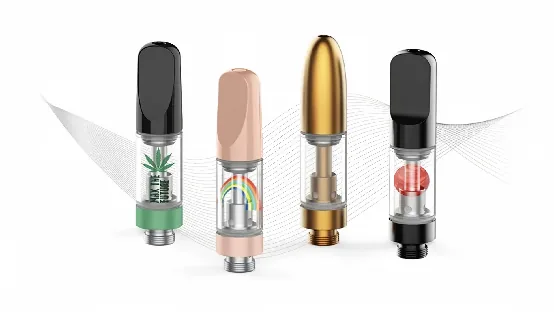
Premium rosin packaging requires a cartridge designed around the extract rather than a generic hardware platform. Oil delivery, heating architecture, reservoir geometry, materials, airflow, and power integration all deserve evaluation before production.
At Maxcore, our OEM ODM services connect product definition, industrial design, verification, trial production, and manufacturing within one development workflow. For brands seeking reliable vaping solutions, this integrated approach can help translate premium rosin requirements into a tested and production-ready cartridge configuration.