Which Empty All-in-One Vape Features Matter Most for a Cannabis Oil Launch?
Launching a cannabis oil product involves more than choosing an attractive empty device. For brands preparing a new SKU, the hardware has to work as part of a broader product system that includes formulation, filling, packaging, quality control, and market requirements. The right vaping solutions therefore need to balance usability, manufacturing consistency, material compatibility, battery safety, and compliance considerations from the beginning.
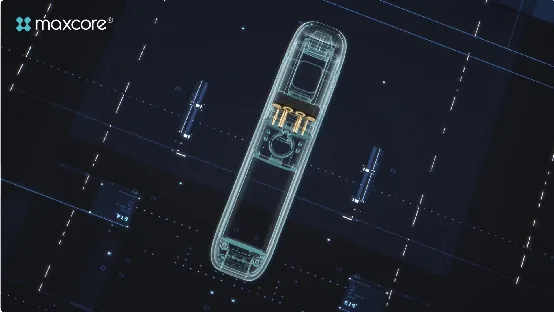
For an all-in-one format, these decisions become especially important because the cartridge, heating system, battery, airflow path, and outer housing are integrated into one finished unit. A weakness in any one area can affect the overall product experience or complicate production. We focus on these connections when supporting brands with custom hardware development and manufacturing.
Start With Oil and Material Compatibility
Cannabis oils can differ substantially in viscosity and composition, so hardware should not be selected independently from the intended formulation. The internal liquid-contact materials, seals, reservoir, and heating components should be evaluated for compatibility with the specific oil rather than assumed to perform identically across formulations.
Material selection also deserves attention because the oil path is part of the product's functional system. Brands should establish material requirements, conduct appropriate compatibility testing, and document the results before moving toward larger production volumes. This approach helps reduce avoidable changes after tooling or manufacturing has already begun.
Battery Safety Belongs in the Vape Pen Design
Battery selection is another major consideration for an all-in-one product. Compact lithium-ion batteries can provide substantial energy in a small package, but the U.S. Consumer Product Safety Commission notes hazards including overheating, fire, electrical shock, and thermal events. It also emphasizes that batteries should be properly tested with the product and charger as a system.
That makes battery protection, charging architecture, electrical controls, and mechanical integration important parts of vape pen design. Rather than treating the battery as an isolated component, brands should consider how the complete device behaves during charging, storage, transportation, and normal operation.
Heating and Airflow Need Consistent Engineering
The heating assembly influences how the device operates, while the airflow path affects the user's interaction with it. For an all-in-one product, these systems have to fit within limited internal space without creating unnecessary manufacturing complexity.
A practical vaping solutions development process therefore evaluates the heating architecture alongside the reservoir, airflow structure, power system, and housing. Prototype testing can help identify issues such as inconsistent assembly, leakage, electrical behavior, or unwanted variation between units before mass production.
The objective should be repeatable hardware performance rather than adding features simply to make a specification sheet longer. For B2B brands, a simpler architecture that can be consistently manufactured may be more valuable than a complicated design that increases production variables.
Leak Resistance and Structural Integrity Matter
Leakage can create quality problems throughout the supply chain. Liquid migration may affect the device exterior, packaging, electrical components, or customer experience. For an integrated product, the reservoir, seals, joints, mouthpiece area, and housing therefore need to be considered as one mechanical system.
A robust vape pen design should include appropriate prototype validation and production testing. Testing plans can address storage conditions, transportation, temperature exposure, assembly consistency, and other conditions relevant to the intended market. The exact test program should be established according to the product specification and applicable regulations.
Compliance Should Shape the Project Early
Cannabis vape launches also require careful attention to the laws and product requirements applicable to the target market. Requirements can vary considerably by jurisdiction, so hardware development should not assume that a design suitable for one market automatically satisfies another.
Health and safety history also reinforces the importance of responsible product development. During the EVALI outbreak, CDC investigations found a strong association between vitamin E acetate in THC-containing vaping products and reported lung injuries, while noting that other substances could also have contributed.
For manufacturers and brands, this means hardware development should be coordinated with appropriate formulation controls and supply-chain documentation rather than viewed as a standalone engineering exercise.
How We Approach Custom Vape Development
At Maxcore, we guide cannabis vape brands through a structured custom product development process, from product definition and industrial design through verification, trial production, and manufacturing. Our OEM/ODM workflow keeps design, engineering, testing, production readiness, and delivery aligned within one project.
We can work with brands to define the intended product architecture before detailed development begins. This helps teams identify requirements around form factor, materials, battery configuration, manufacturing processes, and quality expectations while keeping the final product aligned with the intended market.
For us, effective vaping solutions development is not simply about creating a visually distinctive device. It is about connecting industrial design with engineering validation and manufacturing requirements. That connection becomes particularly important when an all-in-one product has multiple integrated systems that must operate together.
Build the Launch Around Verifiable Requirements
The most important features of an empty all-in-one vape are ultimately the ones that support a controlled and repeatable product-development process. Oil compatibility, battery safety, structural integrity, heating and airflow architecture, manufacturing consistency, and market-specific compliance should all be considered before finalizing the hardware.
At Maxcore, we use this framework to help brands turn an initial product concept into a manufacturable device. A carefully planned vape pen design can reduce late-stage changes, while documented testing and coordinated manufacturing can create a clearer path toward launch.
For cannabis brands evaluating new vaping solutions, the key question is therefore not simply which device looks best. It is whether the selected hardware can satisfy the product's technical, manufacturing, safety, and market requirements as one integrated system. We support brands throughout that process with custom vape hardware development and manufacturing tailored to their project needs.