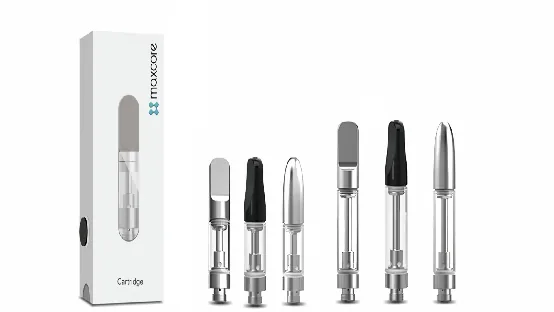
What Should a Bulk 510 Cartridge Hardware Specification Sheet Include?
A bulk 510 cartridge order involves more than confirming the cartridge looks right and fits a familiar battery connection. For B2B buyers, a useful specification sheet should give engineering, procurement, quality, and manufacturing teams the same reference point before sampling and production. A clear document reduces ambiguity around dimensions, materials, electrical characteristics, compatibility, testing, and customization. For businesses sourcing vaping solutions, that information can make supplier evaluation considerably more structured.

Start With the Core 510 Cartridge Specifications
The first section should identify the basic hardware configuration. This normally includes the connection type, overall dimensions, reservoir capacity, body construction, mouthpiece configuration, and major component materials.
Commercial 510 cartridges demonstrate why these details matter. For example, CCELL lists standard 510 threading, tank volume, dimensions, resistance, heating-element construction, body material, center-post material, and mouthpiece type within its product specifications.
A bulk specification sheet should also identify the applicable measurement units and tolerances where relevant. Mixing nominal dimensions with unstated tolerances can create uncertainty during incoming inspection. ASTM guidance similarly emphasizes clear product characterization, including dimensions, geometry, weight, and composition, when evaluating products and packaging.
Document Materials and Component Construction
Material information should be specific enough for a buyer to understand what is actually being ordered. Instead of simply describing hardware as “premium,” a specification sheet can identify the principal materials used for the reservoir, mouthpiece, center post, seals, and heating component.
This information is particularly relevant when brands are comparing different vaping solutions. Material substitutions can change the physical characteristics of a component, so procurement teams should know whether a quoted configuration represents the approved design or an alternative.
The document should also distinguish standard components from customized components. If a mouthpiece, exterior finish, logo treatment, or structural element is customized, that change should be connected to a clear revision or drawing reference.
Include Electrical and Compatibility Information
Electrical specifications are another essential category. Depending on the hardware configuration, a sheet may identify nominal resistance, connection type, and other relevant electrical characteristics established by the manufacturer.
These details help purchasing teams communicate with battery and hardware suppliers without relying on informal descriptions. They also create a clearer basis for sample approval and quality inspection.
Compatibility should be treated as a documented requirement rather than an assumption. A cartridge using a standard 510 connection still has other mechanical and electrical characteristics that determine whether it is suitable for a particular device platform. Current commercial 510 cartridge specifications commonly present connection, resistance, dimensions, and capacity together rather than treating the thread as the only compatibility criterion.
Define Quality and Inspection Requirements
A strong specification sheet should explain what constitutes an acceptable production unit. Relevant categories may include dimensional inspection, appearance, assembly condition, leakage-related checks, electrical verification, and packaging inspection.
The exact acceptance criteria should be agreed between the buyer and manufacturer rather than copied from an unrelated product. ASTM's packaging guidance, for example, emphasizes that validation should be appropriate to the organization's test methods and that acceptance requirements need to be defined for the specific application.
For bulk orders, inspection information is especially useful because it creates a common reference for samples and production batches. It can also help purchasing teams distinguish between cosmetic preferences and requirements that affect functional conformity.
Record Testing and Validation Information
The specification sheet should not necessarily contain every laboratory result, but it should identify the tests relevant to the approved hardware and indicate where supporting reports are maintained.
For cannabis-related products, applicable requirements can vary significantly by jurisdiction. ASTM D8309, for example, provides guidance concerning stability testing of cannabis-based products, while noting that regulatory requirements supersede the guideline where applicable.
Businesses should therefore separate hardware specifications from jurisdiction-specific compliance documentation. This distinction prevents a general product sheet from being mistaken for a regulatory approval document.
Add Revision, Packaging, and Order Information
A professional specification sheet should include a document number, revision level, issue date, approved configuration, and change history. These fields become increasingly important when a buyer manages multiple cartridge versions or places repeat orders.
Packaging and shipping information can also be useful for bulk procurement. Commercial packaging standards address preservation, packing, marking, and handling considerations, making these details relevant to larger supply programs.
The sheet can additionally state minimum order quantities, sample status, customization scope, and whether the quoted configuration is standard or developed specifically for the customer. These details help procurement teams compare supplier quotations on a like-for-like basis.
What a Business Specification Sheet Should Achieve
Ultimately, a specification sheet should function as a shared technical reference rather than a sales brochure. It should allow engineering teams to understand the hardware, purchasing teams to define the order, quality teams to inspect incoming goods, and manufacturers to reproduce the approved configuration.
At Maxcore, we combine market research, custom vape hardware development, real-oil testing, vape manufacturing, and post-production support within one coordinated OEM/ODM workflow. For customers seeking a vaping solution provider, this integrated approach can help connect product requirements with manufacturing communication.
Creating a Clearer Procurement Reference
A well-prepared specification sheet brings together mechanical dimensions, materials, electrical characteristics, compatibility information, quality requirements, testing references, packaging details, and revision control. It gives every department a common language before a bulk 510 cartridge order moves forward.
For businesses evaluating vaping solutions, the goal is not simply to collect more specifications, but to collect the right specifications in a form that can be verified. As a vaping solution provider, we at Maxcore support customers by connecting hardware development, testing, manufacturing, and post-production requirements within one coordinated process, helping turn an approved specification into a clearer production reference.