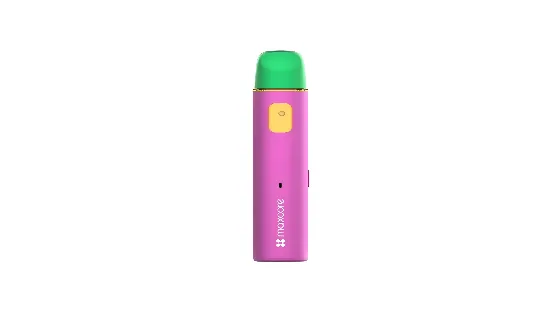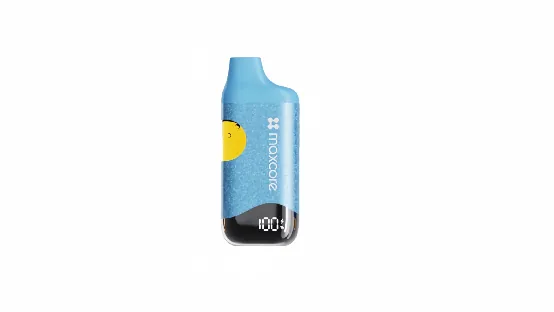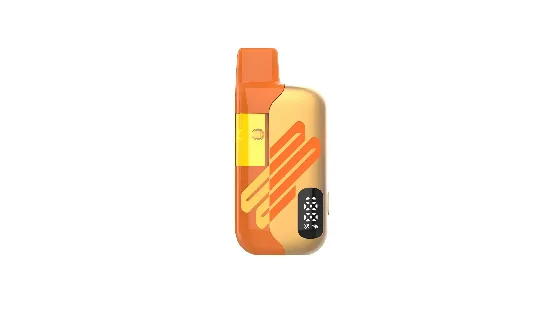
Can One Cannabis Vape Device Work Well with Distillate, Live Resin, and Rosin?
A single vape platform can potentially support multiple cannabis oil formulations, but that does not mean one fixed heating configuration will perform identically with every oil. Distillate, live resin, and rosin can differ in viscosity, composition, flow behavior, and vaporization requirements. For B2B cannabis brands, the practical question is therefore how much of the hardware can remain common while the oil-specific parameters are optimized.
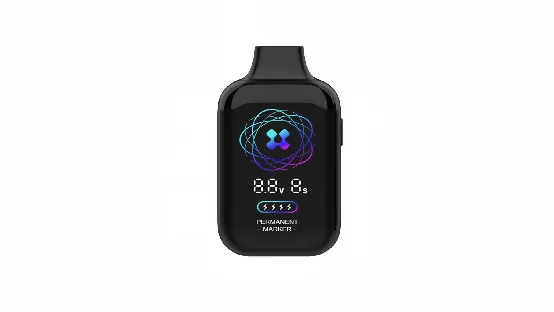
Why Oil Characteristics Matter in Cannabis Vape R&D
Oil should be treated as a core engineering input rather than simply a material to place inside a finished device. Viscosity affects how quickly oil moves toward the heating surface, while formulation and storage conditions can also influence flow behavior. Hardware designed around one formulation may therefore require different operating conditions when used with another.
This is why cannabis vape R&D should begin with representative oil samples. Rather than relying only on general categories such as “distillate” or “rosin,” development teams should examine the actual formulation intended for production and evaluate its behavior under realistic filling, storage, and use conditions.
Can One Platform Support Three Oil Types?
The answer can be yes at the platform level, but not necessarily with an identical heater configuration. A hardware architecture may accommodate multiple formulations when its oil-delivery system, ceramic structure, airflow, and power parameters can be appropriately matched.
At Maxcore, we take an oil-driven approach to development. We evaluate composition, viscosity, flow behavior, and atomization characteristics before selecting ceramic and heating-track configurations. Our technology page specifically identifies specialized versions for Delta-9 distillate, live resin, rosin, and other suitable formulations.
That approach allows a Maxcore vape platform to serve different product programs while maintaining a common development foundation. The important distinction is that “one device platform” does not necessarily mean “one universal specification.”
Distillate Usually Gives a Different Starting Point
Distillate is often relatively consistent compared with more complex extract formulations, but its flow characteristics can still vary according to formulation and temperature. Hardware evaluation should therefore consider filling behavior, oil delivery, heating response, and performance over the complete fill.
For brands developing multiple SKUs, a common platform can reduce tooling and manufacturing complexity when the underlying architecture is adaptable. However, teams should still validate the exact distillate formulation rather than assuming that successful results from another oil automatically transfer.
Live Resin Adds More Formulation Variables
Live resin can present a different engineering challenge because its formulation and terpene profile may produce different flow and vaporization behavior from a distillate product. Hardware selection therefore needs to consider the actual oil rather than the product category alone.
During cannabis vape R&D, we recommend evaluating oil delivery from the initial fill through repeated activation. This can reveal whether the heating surface receives oil consistently and whether airflow, heat, and reservoir behavior remain balanced as the oil level decreases.
Our POSTLESS® technology uses a center-post-free structure with a cotton-free ceramic heating element. We developed the platform around cannabis oil hardware, while specialized ceramic configurations allow us to address different formulation characteristics.
Rosin Requires Particularly Careful Validation
Rosin can require more specialized hardware consideration because its physical characteristics can differ substantially from conventional distillate products. A device that performs well with a thinner formulation should not automatically be approved for rosin without real-oil testing.
For a Maxcore vape development program, teams can examine filling behavior, oil transfer, heating response, vapor output, clogging tendency, and flavor consistency using the actual rosin formulation. Sample testing is especially important before moving from engineering quantities to commercial production.
This does not mean that brands necessarily need three completely unrelated devices. A modular platform strategy can allow common elements such as exterior design, battery architecture, charging interface, or manufacturing processes while adapting the oil-contact and heating configuration where necessary.
What Should Brands Test Before Production?
A structured validation program should compare the three oils under controlled conditions. Key observations include fill consistency, oil movement, heating response, airflow, vapor production, leakage, clogging, and performance from the first activation through the end of the usable fill.
Storage testing also deserves attention. Oil behavior can change with temperature and time, so testing only freshly filled samples may not represent commercial conditions. A cannabis vape R&D program should therefore consider the intended storage environment and distribution cycle when establishing acceptance criteria.
We also consider how the ceramic structure and oil-delivery path interact. Our POSTLESS® platform uses ceramic heating technology with a center-post-free oil chamber, while Maxcore's development approach combines oil analysis, ceramic engineering, and real-oil testing.
Building a Flexible Hardware Strategy
For B2B brands, the most useful goal is not necessarily a single universal device. It is a scalable hardware platform that can accommodate multiple formulations while giving engineering teams enough control to optimize performance for each oil.
A Maxcore vape program can therefore start with a common platform and then determine whether distillate, live resin, and rosin require different ceramic configurations or operating parameters. This approach can preserve manufacturing commonality without treating substantially different oils as identical.
As we support cannabis vape R&D, we connect oil analysis with ceramic engineering and real-oil validation. That helps us develop hardware around formulation characteristics rather than forcing every oil through one fixed configuration.
Turning One Platform into Multiple Validated Solutions
A single cannabis vape platform can support distillate, live resin, and rosin when its architecture is designed for adaptability and each formulation receives appropriate validation. The objective is not to claim that every oil will behave identically, but to establish reliable compatibility through testing.
For brands considering a Maxcore vape, we can combine our POSTLESS® architecture with oil-specific ceramic configurations and real-formulation testing. As a partner for cannabis vape R&D, we help connect hardware development with the actual characteristics of the oil, supporting more consistent delivery, vaporization, and flavor expression across suitable product programs.