Why Does Oil Viscosity Matter When Choosing Ceramic Vape Hardware?
Oil viscosity is one of the most important variables when developing cannabis vape hardware because it directly influences how efficiently oil reaches the heating surface. Distillates, live resin, and rosin can behave differently under the same operating conditions, making a one-size-fits-all ceramic heater difficult to optimize. For B2B brands, understanding viscosity helps connect formulation, hardware, heating parameters, and expected vapor performance before production begins.
How Oil Viscosity Affects Vape Performance
Viscosity describes a fluid's resistance to flow. A higher-viscosity oil generally moves more slowly, while a lower-viscosity formulation can travel more readily through an oil-delivery pathway. In vape hardware, this difference matters because the heating element needs a continuous and appropriate supply of oil during operation.
Research on cannabis vaping has demonstrated that highly viscous liquids can create challenges for heating and aerosolization. One study found that high-viscosity mixtures could contribute to overheating when the rate of oil delivery did not adequately match evaporation at the heating surface.
That does not mean thicker oil simply requires more heat. Increasing temperature without considering oil movement can create another set of performance problems. The heater, oil reservoir, airflow, and power delivery need to work together so that oil reaches the ceramic surface at an appropriate rate.
Why Ceramic Hardware Needs Oil-Specific Engineering
Ceramic heating elements are not automatically interchangeable between formulations. The ceramic material, pore structure, heating track, surface area, and operating parameters can all influence how effectively an oil is transferred and vaporized.
We therefore begin hardware development by studying the oil itself. At Maxcore, our R&D process evaluates oil composition, viscosity, flow behavior, and atomization characteristics before we determine the appropriate heating configuration. This oil-first approach allows the hardware to be developed around the formulation instead of requiring every oil to operate under identical conditions.
Our POSTLESS® technology uses a cotton-free ceramic heating structure. According to our technology specifications, the ceramic core is sintered at 1,200°C and incorporates 100 million evenly distributed micropores across the oil supply area. The design provides 2.4 times the oil-supply area and a reported 35% increase in oil-transfer speed.
These characteristics are particularly relevant when developing hardware for oils with different flow properties. A cannabis technology solutions company needs to consider oil movement and heat distribution together rather than evaluating the ceramic element in isolation.
Matching the Heater to Different Formulations
Distillate is often treated as the baseline cannabis vape formulation, but commercial product portfolios increasingly include more viscous extracts such as live resin and rosin. Their different physical characteristics can require different approaches to oil transfer and atomization.
We develop specialized ceramic heating configurations for different formulations, including Delta-9 distillate, live resin, and rosin. Our product information specifically notes that ceramic solutions can be matched to different oil viscosities and formulations.
For a cannabis technology solutions company, this means testing should begin with the actual oil intended for commercialization. A heater that performs well with one formulation should not automatically be assumed to produce identical results with another.
Real-oil testing can reveal whether the oil supply rate, heating track, and power profile remain properly coordinated. It can also help identify issues such as inconsistent vapor production, restricted oil movement, or excessive heat before a design reaches mass production.
Why Oil Flow and Heat Must Be Balanced
The relationship between viscosity and temperature is especially important. Heating can change an oil's flow characteristics, while the oil's movement determines how consistently the heating surface remains supplied. This creates a dynamic system rather than a simple relationship where higher viscosity always calls for higher power.
Scientific research has shown that highly viscous liquids can create difficult conditions around the heating surface. When vaporization occurs faster than liquid replenishment, parts of the heating system can experience inadequate liquid coverage and potentially higher temperatures.
We address this challenge by treating the ceramic substrate and heating-track design as a coordinated system. Rather than simply changing voltage or wattage, our engineers can evaluate the ceramic structure and heating configuration against the target oil's flow behavior.
Hardware Selection Should Start Before Mass Production
For brands developing a new vape product, viscosity testing should happen before final hardware selection. A useful development process can compare the intended formulation against several measurable factors, including oil flow, filling behavior, heating response, vapor output, and consistency over the intended operating cycle.
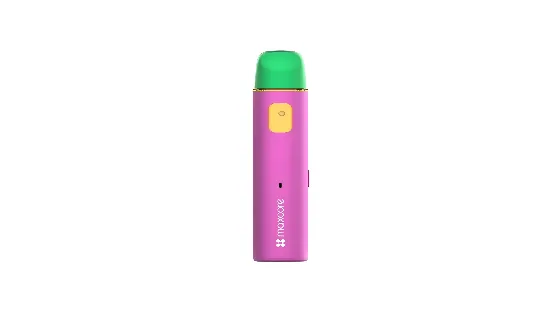
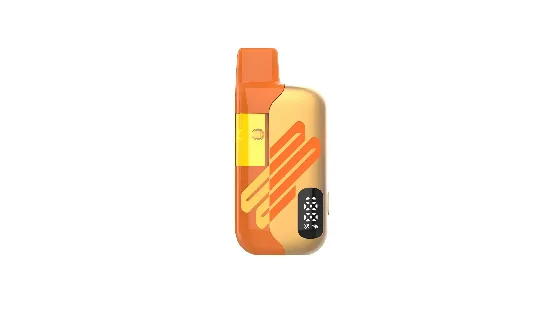
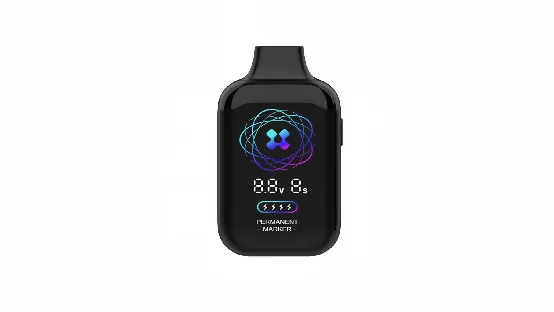
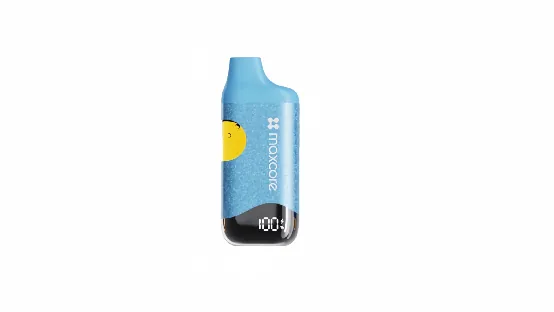
A Maxcore vape can then be developed around the actual formulation instead of forcing the formulation into an off-the-shelf heating architecture. Our product portfolio includes hardware specifically developed for different oil applications, while individual models can use different ceramic platforms and operating specifications.
For example, our Meto platform offers P30 ceramic technology and specifies different output-power ranges for distillates and live resin: 5.5W/6W/6.5W for distillates and 4W/4.5W/5W for live resin. This illustrates why operating parameters should be considered alongside the oil rather than selected independently.
Build Ceramic Hardware Around the Oil
Viscosity matters because cannabis oil is an active part of the vaporization system, not simply a liquid stored inside a tank. Its flow behavior influences oil delivery, heating-surface coverage, atomization, and ultimately the consistency that a brand is trying to achieve.
At Maxcore, we combine oil analysis, ceramic engineering, and real-oil testing to develop hardware for suitable distillate, live resin, rosin, and other formulations. Our POSTLESS® architecture further removes the conventional metal center post from the oil-contact pathway and uses a cotton-free ceramic heating structure.
For a cannabis technology solutions company, this approach creates a more useful development framework: identify the oil, understand its behavior, select the ceramic architecture, and then validate the complete system. When brands evaluate hardware this way, they can make formulation and device decisions based on measurable compatibility rather than relying solely on nominal specifications.