How Do You Match Cannabis Vape Hardware to Different Oil Viscosities?
Cannabis oils can behave very differently inside the same vape architecture. Distillates, live resins, rosins, and other formulations may differ in viscosity, flow behavior, composition, and thermal response. For cannabis brands developing commercial hardware, choosing a device based only on dimensions or appearance can create inconsistent oil delivery and atomization. A more reliable approach starts with the oil and works backward toward the reservoir, heating element, airflow, and operating conditions.
Why Oil Viscosity Matters for Vape Hardware
Viscosity affects how readily an oil moves toward the heating surface. A formulation that flows easily may require different oil-control characteristics from a thicker concentrate that moves more slowly. If the hardware cannot maintain an appropriate supply rate, the heating element and oil-delivery system may not operate consistently throughout the product's service life.
ASTM D8372 provides an industry guide covering characteristics, components, design elements, and basic functions of cannabis extract vaporizers. ASTM D8376 separately classifies different extract vaporizer device types. These documents help establish common terminology, but they do not prescribe one hardware configuration for every oil formulation.
Match the Heating System to Oil Flow
The first development step is to characterize the target oil rather than selecting a ceramic heater independently. Measure or document relevant viscosity and flow behavior under the temperatures and conditions expected during storage and use. Formulation composition should also be considered because two oils with similar apparent viscosity can still behave differently during heating.
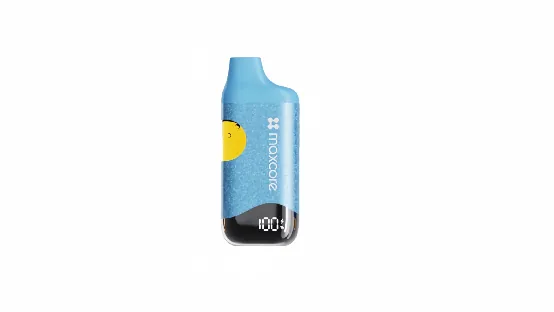
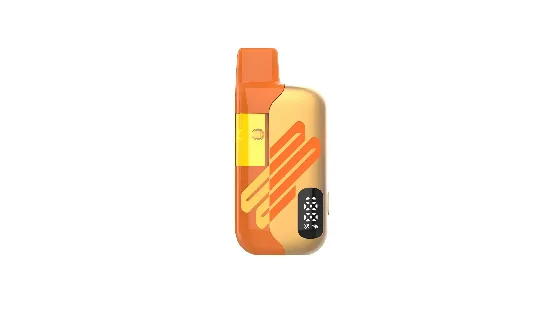
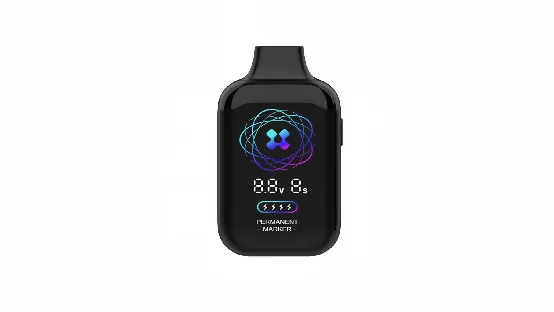
For a Maxcore vape project, we can use these characteristics as inputs for hardware development. Our published development approach evaluates oil composition, viscosity, flow behavior, and atomization characteristics before selecting a ceramic substrate and corresponding heating-track design. This oil-driven process helps connect fluid behavior with the physical design of the heating system.
Consider Ceramic Atomization R&D
Ceramic heating does not automatically make one device suitable for every oil. The ceramic material, pore structure, heating-track configuration, oil-contact area, and thermal behavior all influence how efficiently oil reaches and interacts with the heating surface.
Our ceramic atomization R&D therefore focuses on developing the heating platform around the target formulation. Maxcore states that its POSTLESS® technology uses a center-post-free structure and a cotton-free ceramic heating element. Its published platform information also describes a ceramic core fired at 1,200°C, with 100 million micropores distributed across the oil supply area, 2.4 times the oil-supply area, and a stated 35% increase in oil-transfer speed.
Test Different Oil Categories
A useful validation program should test the actual formulations planned for commercialization. Maxcore identifies specialized ceramic configurations for applications involving delta-9 distillates, live resin, rosin, and other cannabis oils with different viscosity and flow characteristics. This supports a formulation-specific development process rather than assuming that a single heater configuration will perform identically with every oil.
For B2B development, testing should compare oil delivery, vapor production, flavor consistency, leakage behavior, and residue after repeated use. The goal is not simply to determine whether a device produces vapor. The development team needs to understand whether the hardware maintains predictable oil delivery under the intended operating conditions.
Evaluate Temperature and Airflow Together
Viscosity cannot be considered separately from temperature. Heating changes oil flow behavior, while airflow affects how the vaporization system operates during a draw. Increasing or reducing airflow can therefore alter the overall atomization behavior even when the oil itself remains unchanged.
We recommend evaluating temperature, airflow, activation conditions, and oil flow as a connected system. For a Maxcore vape, this means testing the actual hardware and formulation combination rather than transferring conclusions from a different oil or device. Such testing can reveal whether changes in oil viscosity require adjustments to heating characteristics or airflow design.
Account for Storage and Real-World Conditions
Laboratory testing should also represent the conditions the finished product will encounter. Storage temperature, oil fill level, device orientation, and time can influence how readily a formulation moves through the delivery system. Repeated activation can introduce another variable as the oil level gradually falls.
A robust validation plan should therefore include multiple stages of the reservoir rather than testing only a freshly filled unit. Checking the beginning, middle, and later portions of the oil supply can reveal changes in delivery that a short bench test might miss.
Connect Testing With Commercial Scale-Up
Hardware selection is only one stage of commercialization. Once a suitable architecture is identified, manufacturers must confirm that the design can be produced consistently and filled reliably at scale. Manufacturing tolerances, ceramic consistency, assembly processes, and quality-control procedures can all affect final performance.
Our ceramic atomization R&D is connected to custom hardware development and production scale-up, allowing laboratory findings to inform commercial execution. We support B2B cannabis brands across product research, oil compatibility testing, custom hardware development, and production scale-up, creating a development path from formulation requirements to market-ready hardware.
Build an Oil-Specific Hardware Specification
The most useful hardware specification should document the relationship between the formulation and device. Rather than simply listing cartridge capacity or dimensions, the specification can identify the target oil characteristics, ceramic configuration, heating parameters, airflow requirements, filling conditions, and validation criteria.
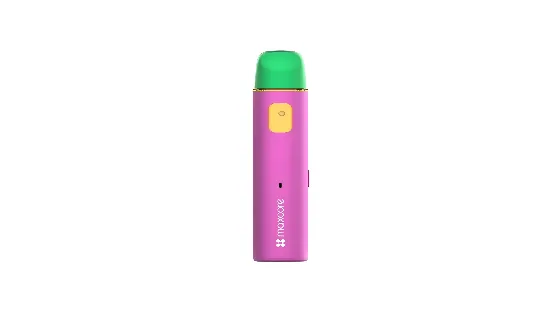
At Maxcore, we use this oil-driven approach to help partners develop hardware around their specific formulations. Our Maxcore vape solutions can be evaluated alongside the intended oil rather than selected as a generic platform. This gives product teams a clearer technical basis for prototyping, validation, and eventual production.
From Oil Characteristics to Market-Ready Hardware
Matching cannabis vape hardware to oil viscosity requires coordinated evaluation of fluid behavior, ceramic heating, airflow, temperature, storage conditions, and manufacturing consistency. Maxcore R&D brings these considerations together through oil compatibility testing and hardware development. For brands seeking a Maxcore vape solution, the objective is not simply to choose a device, but to develop a validated hardware-and-formulation combination that can move efficiently from concept to commercial production.