How Do Replaceable Pods Affect a Cannabis Vape Product Line?
Replaceable pods can change how a cannabis vape brand develops, packages, and expands its product line. Instead of treating the battery and oil container as one finished unit, a pod system separates the reusable power device from the replaceable oil component. ASTM D8376 recognizes different cannabis extract vaporizer configurations based on factors including whether devices are prefilled and how they connect to a power source.
For B2B brands, this modular structure can affect everything from SKU planning to hardware compatibility. It also creates new opportunities to develop vaping solutions around different formulations while maintaining a recognizable hardware platform. The key is designing the system as an ecosystem rather than treating each pod as an isolated product.

Why Replaceable Pods Change Product-Line Strategy
A replaceable pod platform allows one compatible battery to work with multiple pod variants. A brand can therefore introduce different oils, formulations, capacities, or product editions without necessarily creating an entirely separate battery platform for every SKU.
This separation can simplify product architecture, but it also places greater importance on compatibility. Pod geometry, electrical contacts, airflow, heating characteristics, sealing, and attachment mechanisms must work consistently across the intended product family. ASTM D8372 specifically identifies components, design elements, and basic functions as characteristics worth considering when evaluating cannabis extract vaporizers.
From a portfolio perspective, this can make vaping solutions easier to organize. The battery becomes a platform, while pods can represent different formulations or market segments. However, brands still need clear specifications and validation procedures to prevent small differences between pod versions from creating inconsistent performance.
How Pod Compatibility Influences Vape Pen Design
Replaceable pods put compatibility at the center of vape pen design. The connection must be secure while remaining practical for intended handling. Electrical contact, pod recognition where applicable, airflow, reservoir positioning, and heating alignment all influence the finished system.
The oil itself is equally important. Distillates, live resin, and other formulations can have different flow characteristics, so a heating system designed around one formulation should not automatically be assumed suitable for another. The development process should therefore evaluate the pod, formulation, and power system together.
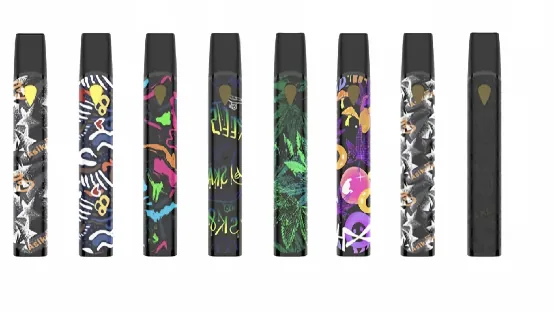
Our Reno highly customizable postless pod system is designed around this type of modular development. It uses a POSTLESS® design, is specified for distillates and live resin, and features a premium metal housing. We can also customize elements such as appearance and product configuration according to a brand's project requirements.
Improve Variety Without Rebuilding the Entire Platform
One practical effect of replaceable pods is the ability to create product variations around shared hardware. A brand could develop different pod configurations for separate formulations while retaining a familiar battery and overall user interface.
This approach can help product teams distinguish premium oils, limited editions, or formulation-specific offerings without designing an entirely new device every time. It can also make the hardware platform more recognizable across a product family.
The tradeoff is that shared architecture demands stronger engineering discipline. If a new pod has a different oil viscosity or heating requirement, the brand must confirm that the existing battery and connection system remain appropriate. Modular vaping solutions work best when compatibility is established through testing rather than assumed from physical fit alone.
Consider Filling, Leakage, and Airflow
Replaceable pods also affect manufacturing. Because the pod becomes a distinct production component, filling, sealing, inspection, and packaging need their own quality controls. Consistent fill levels and reliable seals can be particularly important when pods are manufactured in high volumes.
Airflow deserves similar attention. Restricted airflow can affect draw characteristics and may contribute to poor atomization performance. Our Reno incorporates dual airflow as part of its postless architecture, with the design intended to support clog-resistant performance.
The reservoir and heating structure should also be evaluated under realistic storage and usage conditions. Brands should examine leakage, oil movement, connection stability, and performance after transportation or extended storage. These tests help ensure that the modular concept translates into reliable finished products.
Create a Scalable Business Manufacturing Model
For manufacturers and brand owners, replaceable pods can influence more than consumer-facing features. They can create a manufacturing architecture in which batteries, pods, packaging, and oil formulations are managed as related but distinct components.
That separation may support more flexible production planning, but it requires careful documentation. Each pod version should have defined dimensions, materials, heating specifications, connection requirements, and acceptance criteria. Any component change should trigger an appropriate review to determine whether compatibility or performance testing needs to be repeated.
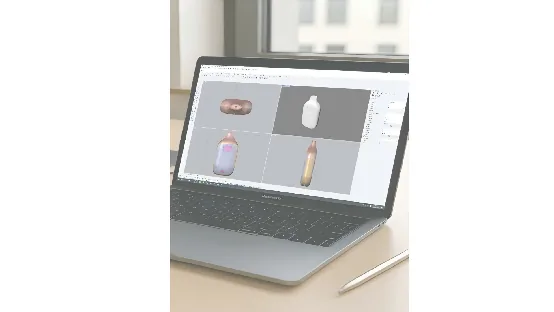
We support this development process through custom vape hardware development and manufacturing. Our laboratory capabilities cover chemistry, aerosol physics, atomization, simulation, reliability, electrical performance, sensory analysis, and project-specific safety testing. This 2+3+N R&D system allows us to evaluate hardware as part of a complete product rather than only as an individual component.
Build the Pod Ecosystem Around the Brand
The biggest effect of replaceable pods is that they turn hardware into a longer-term platform. Instead of launching one self-contained vape product, brands can establish a compatible ecosystem in which the battery and pods serve different roles.
That can influence branding, packaging, inventory planning, formulation launches, and future hardware development. It also means the original vape pen design needs enough flexibility to support the product roadmap without compromising its core specifications.
For brands developing vaping solutions, the strongest approach is to define the complete ecosystem early: battery, pod interface, oil compatibility, airflow, materials, manufacturing tolerances, and quality testing. We can apply Maxcore ODM capabilities to this process, helping brands move from a product concept toward a scalable hardware platform with customized pod development and manufacturing support.