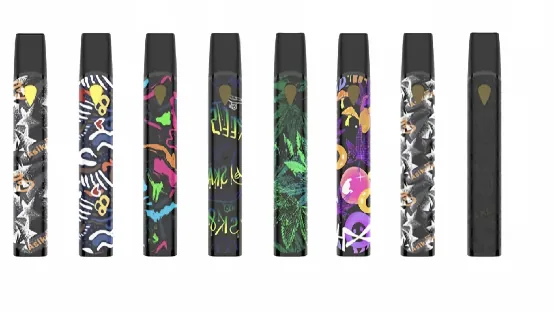
What Should Buyers Check in a Magnetic Cannabis Vape Pod System?
A magnetic cannabis vape pod system combines the convenience of a detachable pod with a compact battery connection, making its mechanical interface especially important. For cannabis vape brands, the buying decision should go beyond appearance or connection strength. Buyers need to examine magnetic alignment, pod stability, oil compatibility, airflow, heating architecture, materials, and manufacturing consistency. ASTM guidance also identifies components, design elements, reservoir characteristics, power integration, and portability as important ways to evaluate cannabis vaporizer configurations.
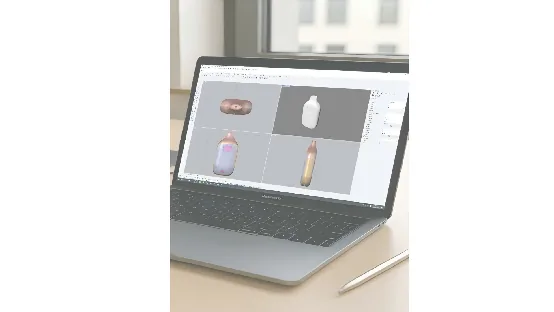
Check the Magnetic Connection and Pod Stability
The magnetic interface is the first mechanical feature buyers should inspect. A pod should seat consistently without excessive movement, while the magnets need enough holding force to maintain a stable connection during normal handling. At the same time, excessive magnetic force can make pod removal unnecessarily difficult.
We recommend evaluating magnet placement, polarity, alignment tolerance, and the relationship between the magnets and electrical contacts. The connection should also prevent noticeable lateral movement that could affect contact reliability. For magnetic systems, good vape industrial design means treating the pod and battery as one mechanical system rather than designing each component independently.
Examine the Oil Reservoir and Heating Architecture
Cannabis oils can vary considerably in viscosity and formulation, so reservoir geometry and heating performance should be assessed together. Buyers should check the usable capacity, internal oil path, wick or ceramic interface, and distance between the reservoir and heating area.
Our Reno system uses a POSTLESS® design and is positioned for distillates and live resin. This architecture is particularly relevant when evaluating how efficiently the hardware can manage oil delivery without creating unnecessary internal structures. For brands comparing vaping solutions, compatibility testing with the intended formulation remains more meaningful than judging the pod from specifications alone.
The heating element should also be evaluated for consistency. Buyers can request data covering resistance tolerance, heating response, oil compatibility, and performance across representative filling conditions. ASTM's current cannabis vaporizer guidance specifically addresses individual components, design elements, and basic functions, providing a useful framework for technical evaluation.
Inspect Airflow and Clogging Risk
Airflow deserves particular attention because the pod's internal geometry directly influences the overall vapor path. Buyers should inspect inlet placement, airflow channels, vapor-path dimensions, and the relationship between airflow and oil delivery.
Reno features dual airflow designed for clog-free performance. Rather than treating that statement as a standalone selling point, buyers should verify it through functional testing with the actual oil formulations intended for production. Airflow consistency, resistance, leakage, and performance after storage can all reveal design limitations.
For vaping solutions, airflow should therefore be considered alongside the reservoir and heating system. ASTM's vape-device safety and testing initiative identifies airflow, vapor paths, atomizers, device hardware, component interactions, and performance among relevant testing areas.
Evaluate Materials and the Oil-Contact Path
Material selection becomes especially important when a pod contains cannabis extract and operates at elevated temperatures. Buyers should identify which materials contact the oil, which materials form the vapor path, and which components are exposed to heat.
Reno uses a premium metal housing, giving brands a defined external construction and tactile positioning. However, the external housing is only one part of the material assessment. Buyers should request information about internal metals, ceramics, seals, plastics, adhesives, and other materials that may interact directly or indirectly with the extract.
ASTM is developing guidance specifically addressing materials used in cannabis extract vaporizers, including considerations involving metals, ceramics, glass, plastics, polymers, corrosion, and extractable or leachable substances.
Review Vape Industrial Design Beyond Appearance
A magnetic pod can look premium while still having mechanical weaknesses. Buyers should examine wall thickness, dimensional tolerances, button or mouthpiece integration where applicable, pod removal ergonomics, battery clearance, and assembly interfaces.
This is where vape industrial design needs to connect aesthetics with engineering. A refined metal housing, for example, should not compromise pod alignment, airflow, or manufacturability. Surface finishes should also be checked for consistency across production batches, particularly when the product is intended for a premium cannabis brand.
At Maxcore, we treat industrial design as part of a broader product-development process. We align product architecture, industrial design, mechanical engineering, and prototype requirements before moving toward proof-of-concept approval. This approach helps us identify mechanical conflicts before they reach mass production.
Verify Manufacturing and Compatibility Testing
A promising sample is not enough for a commercial purchasing decision. Buyers should ask how the manufacturer verifies dimensional consistency, magnetic connection reliability, electrical contact performance, leakage resistance, and oil compatibility.
At Maxcore, our custom vape OEM/ODM services cover product definition, design development, verification, trial production, and manufacturing readiness within one project workflow. We also evaluate devices with customer oils because the same hardware can behave differently when formulations change.
Our testing capabilities include laboratories in the United States and Thailand, supporting device development and evaluations such as oil compatibility, longevity, and environmental performance. For buyers comparing vaping solutions, this type of validation can provide more useful information than a specification sheet alone.
Confirm Production Readiness Before Ordering
Before approving a magnetic pod system, buyers should request engineering drawings, material information, tolerance requirements, test criteria, prototype results, and production-control procedures. They should also clarify whether the manufacturer can support design modifications if the initial sample does not meet the intended oil or packaging requirements.
ASTM's classification work emphasizes characteristics such as power-source integration, heat-source characteristics, reservoir characteristics, and portability when differentiating vaporizer configurations. These categories can help purchasing teams build a more complete technical checklist.
Turning a Magnetic Pod Sample Into a Reliable Product
Choosing a magnetic cannabis vape pod system requires more than checking whether the pod attaches securely. Buyers should assess magnetic alignment, reservoir geometry, heating performance, airflow, materials, tolerances, industrial design, oil compatibility, and manufacturing controls as one connected system.
At Maxcore, we use that integrated approach when developing custom hardware. Our Reno pod system combines a POSTLESS® design, compatibility with distillates and live resin, a premium metal housing, and dual airflow. For brands evaluating vaping solutions, we can support the process from product concept and vape industrial design through prototyping, testing, and production readiness, helping turn a magnetic pod concept into manufacturable hardware.