How Do You Choose a Cannabis Vape Pod System for a Private-Label Brand?
Private-label cannabis brands need more than a recognizable device shape when selecting a pod system. The hardware must match the oil formulation, product positioning, filling process, packaging requirements, and expected production volume. A useful evaluation therefore starts with performance and manufacturing criteria before moving into appearance and customization. For brands developing scalable vaping solutions, the pod architecture should support both the formulation and the commercial requirements of the finished product.

Start With the Oil and Product Positioning
The intended formulation should guide hardware selection from the beginning. Distillates and live resin can have different flow characteristics and may require different heating behavior. A private-label brand should confirm that the selected pod has been developed and tested for its intended oil rather than assuming that one system will perform equally well across every formulation.
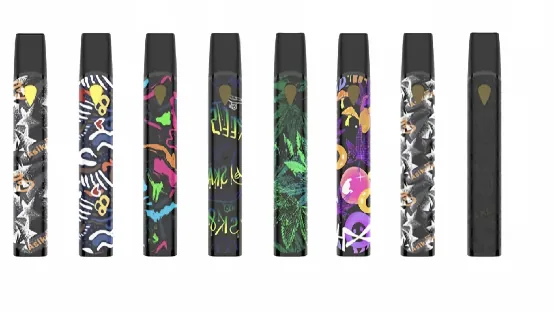
For example, our Sano pod system is designed specifically for distillates and live resin. Its postless architecture is intended to support a clean oil-contact path, while its preheating function provides another control for managing the relationship between the oil and heating system.
This formulation-first approach helps brands choose vaping solutions based on actual product requirements rather than simply selecting the lowest-cost empty pod.
Examine the Pod Architecture
The internal architecture deserves close attention because it influences airflow, oil delivery, heating, and assembly. A postless design can change how the internal space is arranged compared with traditional pod structures.
Our Sano uses a POSTLESS® design and is positioned around a purer taste experience. For a private-label project, however, the relevant question is not simply whether a postless structure sounds attractive. Buyers should examine how the architecture performs with their actual oil and whether it remains consistent across production batches.
A complete sample evaluation should include filling, activation, draw performance, leakage checks, and storage testing. These observations provide more useful evidence than a visual inspection of an empty pod.
Look at Heating Control
Heating behavior can have a significant influence on how a pod performs with different formulations. A private-label brand should therefore understand what level of control the hardware provides and how that control is implemented.
Our Sano system provides three levels of heating control, giving brands a configurable platform for different usage requirements. The preheating function is another relevant feature for formulation-specific testing, particularly when the intended oil requires additional attention during initial activation.
For procurement teams, heating specifications should be considered alongside battery output, atomizer construction, airflow, and oil delivery. These elements interact, so changing one part of the system can affect the overall result.
Assess Airflow and Clogging Resistance
Airflow should be tested as a complete system rather than judged only by the size of an air inlet. Internal channels, atomizer geometry, mouthpiece design, and oil movement can all influence the draw.
Our Sano pod incorporates dual airflow and is designed for clog-free performance. For private-label buyers, this feature should still be validated with the actual formulation. Testing should examine repeated draws, different storage conditions, and performance as the oil level changes.
This kind of evaluation is particularly useful when comparing competing vaping solutions. A specification can identify the intended design, but real-oil testing determines whether that design meets the brand's practical requirements.
Consider Filling and Production Compatibility
A pod system also needs to fit the manufacturer's production process. Before selecting hardware, buyers should review filling methods, filling-port configuration, sealing, assembly tolerances, and compatibility with existing equipment.
The supplier should provide sufficient technical information to establish whether the pod can be integrated into the intended filling workflow. Trial production is valuable because it can reveal issues that are difficult to identify during small sample evaluations.
At Maxcore, we approach private-label projects through coordinated product definition, custom vape hardware development, verification, trial production, and vape manufacturing. This allows design decisions to be reviewed against production requirements before a project moves toward larger volumes.
Evaluate Customization Beyond the Exterior
Private labeling commonly involves branding, colors, finishes, packaging, and other visual elements. However, customization should not compromise the functional architecture of the pod.
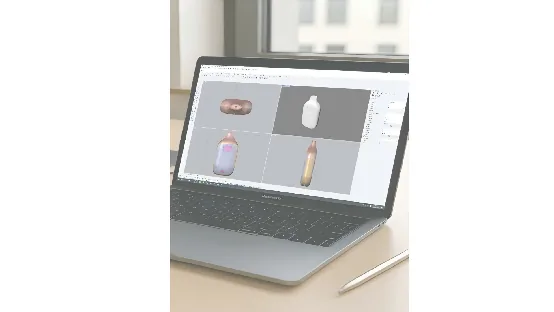
A professional evaluation should distinguish between cosmetic customization and engineering customization. Brands may need different dimensions, airflow characteristics, activation behavior, or oil compatibility depending on their product line. These requirements should be discussed early because changes to internal components can affect tooling, testing, production schedules, and cost.
Our OEM/ODM workflow is designed to connect these considerations rather than treating customization as a final decoration step. This is particularly important when a private-label product needs a distinct identity while retaining consistent technical performance.
Review Quality Control and Documentation
Private-label brands also need confidence that production units will match approved samples. Ask how incoming components are inspected, how assembly tolerances are controlled, and what testing is performed during production.
Quality documentation should cover the components relevant to the finished pod, including materials, heating assemblies, seals, and electrical parts where applicable. Sampling plans and acceptance criteria can help both parties establish a common definition of an acceptable production unit.
For regulated cannabis products, brands should also identify the applicable requirements in their intended market. Public-health agencies have documented safety concerns around THC-containing vaping products and certain additives, making formulation and manufacturing controls important parts of product development. (\fda.gov\)
Compare the Complete Commercial Package
Cost should not be evaluated only on the unit price of an empty pod. Buyers should consider tooling, customization, testing, packaging, production capacity, lead times, minimum order quantities, and post-production support.
A slightly different pod architecture may affect filling efficiency or production yields, while a more customized design may require additional engineering work. These factors influence the total project economics and should be reviewed before final supplier selection.
Our cannabis vape manufacturing services are structured to connect development and manufacturing requirements within one workflow. We can support brands as they move from product definition and design through verification, trial production, and manufacturing readiness.
Building a Private-Label Pod Around the Product
Choosing a cannabis pod system involves balancing oil compatibility, architecture, heating control, airflow, filling, customization, quality control, and commercial requirements. Our Sano system combines POSTLESS® construction, preheating, three heating levels, and dual airflow for applications involving distillates and live resin.
For brands developing scalable vaping solutions, we can evaluate these characteristics within a broader OEM/ODM process. Our cannabis vape manufacturing services help private-label brands connect product requirements with engineering, verification, trial production, and manufacturing for a more coordinated development path.