How Do You Test Flavor Separation in a Dual-Chamber Cannabis Vape?
Dual-chamber cannabis vapes let brands place two formulations in one device, but the commercial value depends on keeping those formulations distinct. Flavor separation is therefore a hardware-and-formulation validation issue, not simply a sensory preference. For B2B teams, the objective is to demonstrate that switching from chamber A to chamber B does not create meaningful carryover, while also checking whether materials, airflow, heating, or oil movement can affect the result.
Why Flavor Separation Requires More Than a Taste Test
A dual-chamber design can isolate reservoirs while still sharing parts of the vapor path, mouthpiece, activation system, or heating architecture. ASTM D8372 identifies components, design elements, and functions relevant to cannabis extract vaporizers, while ASTM D8376 provides a device classification framework. Neither standard, however, defines a universal flavor-separation acceptance test, so brands need a product-specific protocol.
A practical program for Maxcore vape projects begins with a controlled reference pair. Choose two formulations with clearly distinguishable analytical or sensory markers. Ideally, the oils should also represent realistic viscosity and flow conditions for the intended product. Use the same device lot, battery condition, activation method, and puffing protocol so hardware differences do not obscure chamber-to-chamber effects.
Start With Baseline Samples
Before operating the hardware, test samples from each chamber independently. Record the starting chemical profile and sensory characteristics of formulation A and formulation B. Relevant markers can include cannabinoids, terpenes, or other formulation-specific compounds.
Retain reference samples from every formulation and production lot used in the validation study. This makes it easier to distinguish genuine crossover from normal batch variation and provides a reference point for subsequent liquid and aerosol measurements.
Test the Switching Sequence
Next, establish a repeatable use sequence. For example, a protocol can alternate between chamber A and chamber B after a defined number of standardized draws. Keep draw volume, duration, interval, device orientation, activation method, and operating condition controlled.
Collect the output associated with each chamber separately. Sensory evaluation can provide an early screen for obvious carryover, but analytical testing gives the program a more defensible measurement basis. Compare whether compounds characteristic of the previous chamber appear in the subsequent chamber’s output above a predefined laboratory threshold.
Measure Both Liquid and Aerosol Behavior
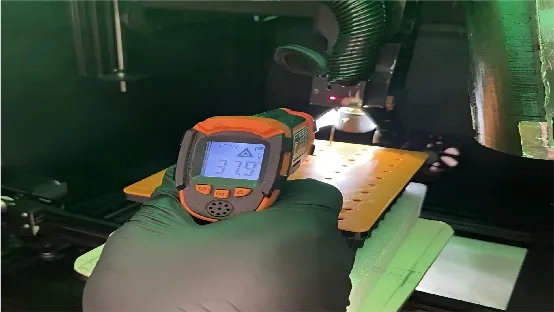
Flavor separation should not be evaluated only from the reservoirs. Oil can potentially migrate through seals, shared passages, pressure changes, or device components. The heating process can introduce another variable because different formulations may wet and atomize differently.
For that reason, inspect chamber contents after cycling and compare them with the starting references. Analyze aerosol samples where appropriate. Research on electronic cannabinoid delivery systems has shown that device components can influence vape-liquid composition and that aerosol testing can reveal substances originating from hardware materials. That makes material and aerosol characterization relevant to broader device validation.
Challenge the Hardware Under Realistic Conditions
Include conditions that could expose weak separation, such as extended storage, repeated switching, different fill levels, expected temperatures, and the intended oil-viscosity range. Inspect for seal deformation, leakage, residue, or oil migration.
At Maxcore, we connect these checks with oil compatibility testing because flavor performance is closely linked to how an oil interacts with the heating and fluid-delivery system. Our postless ceramic technology is designed around a center-post-free architecture and cotton-free ceramic heating, with oil-specific configurations developed for different cannabis oils, including delta-9 distillate, live resin, and rosin. We can evaluate these characteristics alongside separation performance rather than as isolated features.
Define Acceptance Criteria Before Testing
Testing becomes much more useful when pass/fail criteria are established before samples are run. A brand may define acceptable carryover as a specified concentration or percentage relative to the previous chamber, based on its formulation, laboratory capability, and applicable market requirements.
Distinguish sensory carryover from chemical crossover. A formulation might produce a detectable aroma below an analytical threshold, or an analytical marker might be detected without a noticeable sensory difference. Recording both observations creates a fuller engineering picture.
Use R&D Data to Improve the Design
When crossover appears, the next step is diagnosis rather than simply rejecting the hardware. Review the chamber geometry, seals, airflow routing, switching mechanism, heating interface, fill process, and oil viscosity. Testing one variable at a time can help identify whether the issue originates in liquid migration, shared airflow, incomplete switching, or thermal behavior.
This is where Maxcore R&D can support a more efficient development loop. Maxcore R&D can connect laboratory findings with hardware adjustments, oil compatibility work, and prototype iterations. Teams can use the results to refine the architecture before tooling and scale-up.
Build a Repeatable Validation Package
For B2B cannabis brands evaluating Maxcore vape hardware, the final deliverable should be more than a statement that two flavors “taste separate.” A useful validation package can document formulations, device lots, test conditions, switching sequence, analytical methods, sensory observations, acceptance criteria, and results.
At Maxcore, our R&D supports partners across product research, oil compatibility testing, custom hardware development, and production scale-up. This connection turns a flavor-separation requirement into a measurable engineering target and repeatable production specification.
Turning Flavor Separation Into a Development Standard
A dual-chamber cannabis vape should be evaluated as an integrated system. Baseline characterization, controlled switching, liquid and aerosol analysis, realistic stress conditions, and predefined acceptance criteria provide a stronger basis than taste testing alone. Maxcore R&D brings these checks into development, while our Maxcore vape hardware work connects test findings with practical design decisions. For B2B brands, this can turn a separation requirement into validated, market-ready hardware.