What Should You Consider Before Sourcing an Empty Dual-Chamber Cannabis Vape?
A dual-chamber cannabis vape can let brands package two separate formulations in one device, but the format introduces additional engineering and manufacturing considerations. Buyers sourcing empty hardware need to look beyond capacity and appearance. Oil isolation, airflow, heating, electrical control, filling, materials, testing, and production consistency all influence commercial practicality. For B2B vaping solutions, these factors should be evaluated before a supplier is selected.

Understand the Dual-Chamber Architecture
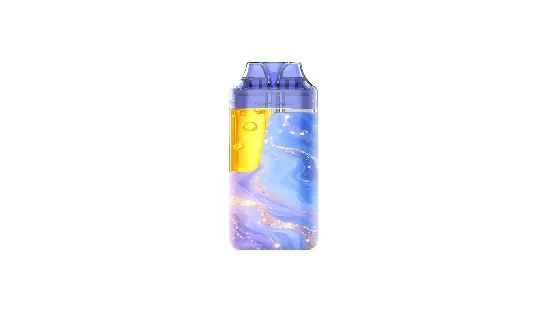
First, define exactly how the two chambers operate. A dual-chamber device may keep two oils physically separated while allowing both to be accessed through one device.
ASTM D8376-21 provides a classification framework for cannabis extract vaporizer devices and distinguishes characteristics such as prefilled versus non-prefilled configurations and different connection approaches. While it does not prescribe a particular dual-chamber design, it shows why buyers should define hardware characteristics precisely when discussing requirements with suppliers.
Confirm Independent Oil Separation
Oil separation is a central consideration. The two reservoirs should remain isolated during filling, storage, transport, and normal operation. Buyers should examine internal walls, seals, ports, and potential pathways between chambers.
A supplier should explain how the architecture limits cross-flow and how sealing performance is verified. Testing should use the actual formulations or representative materials where possible because viscosity and flow behavior can influence leakage or migration.
For brands developing vaping solutions, a convincing exterior sample is not enough. The internal separation strategy needs validation, especially when two oils have different physical characteristics.
Evaluate Filling and Manufacturing Requirements
Empty hardware is useful only if it can be filled reliably at production scale. Buyers should examine filling ports, openings, sealing procedures, and the sequence required to load each chamber without contaminating the other.
The filling process should fit the brand’s intended equipment and workflow. A design that works manually during sampling may create complexity in automated or higher-volume production.
At Maxcore, we connect product definition with verification and trial production so engineering decisions can be evaluated against manufacturing requirements rather than judged only from an early prototype.
Check Airflow and Heating Performance
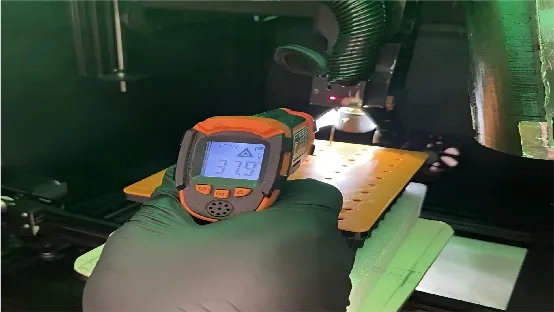
Two chambers can create a more complicated airflow and heating system than a conventional single-reservoir cartridge. Buyers should determine whether each chamber has its own heating element or shares part of the heating architecture, then evaluate how the configuration affects oil delivery and vapor production.
The battery must also match the heating system. Electrical characteristics, activation logic, and power delivery should be tested with the intended device rather than assessed separately.
ASTM D8372-21 describes cannabis extract vaporizers through components, design elements, and basic functions, while noting that its guide is not intended to cover every technology or characteristic. Product-specific validation therefore remains important.
Consider Materials and Compatibility
Every component that contacts the oil deserves attention, including reservoirs, seals, heating components, and mouthpiece-related materials. Buyers should request material information and establish which components are intended for direct formulation contact.
Material compatibility should be considered alongside thermal conditions and storage requirements. Recent research into cannabis vaping hardware has examined metals associated with device components and their presence in generated aerosols, highlighting why material selection and analytical testing deserve attention during development.
A responsible vape factory should explain its material controls, component sourcing, and quality procedures.
Assess Quality and Production Consistency
Dual-chamber products contain more components and interfaces than simpler cartridge formats, making dimensional and assembly consistency important. Buyers should compare multiple samples for chamber dimensions, seals, electrical contacts, airflow, appearance, and mechanical fit.
Quality requirements should be defined before mass production. ASTM D8557-24 provides GMP guidance for cannabis/hemp-containing products, including inhaled products, although applicable requirements vary by jurisdiction and product category.
At Maxcore, we integrate quality planning and design audits into custom vape hardware development. Our workflow connects product definition, industrial design, verification, trial production, and manufacturing readiness.
Review Supplier Development Capabilities
The supplier’s engineering capability matters as much as its sample catalog. Buyers should ask whether the vape factory can support design modification, prototyping, testing, tooling, quality documentation, and production ramp-up within one coordinated process.
At Maxcore, we guide cannabis vape brands from product definition and vape industrial design through verification, trial production, and manufacturing. Keeping these stages aligned provides clearer engineering and quality checkpoints.
Build a Clear Sourcing Checklist
Before ordering, buyers should document chamber configuration, capacity, oil compatibility, filling method, heating architecture, battery interface, airflow, materials, dimensions, testing criteria, and production tolerances.
For commercial vaping solutions, sourcing should be treated as a development decision rather than a simple component purchase.
Choose Hardware With Production in Mind
An empty dual-chamber cannabis vape can support a differentiated product concept, but its value depends on how well the hardware integrates oil separation, heating, airflow, filling, materials, and manufacturing controls. Buyers should validate the complete system with representative formulations and production conditions.
At Maxcore, we support brands with custom vape hardware development and manufacturing, keeping design, engineering, testing, production readiness, and delivery aligned within one workflow. For brands seeking a capable vape factory partner, this approach can help turn a dual-chamber concept into commercially prepared vaping solutions.