How Does Maxcore Configure Ceramic Vape Hardware for Different Cannabis Oils?
Cannabis oils can differ substantially in viscosity, terpene content, and flow behavior, so hardware cannot be evaluated by appearance alone. For brands developing cartridges or all-in-one devices, the heating system, oil pathway, airflow, and power behavior all influence consistency. At Maxcore, we approach ceramic vape hardware as a system rather than a single component, configuring the hardware around the characteristics of the oil and the intended product format.

Why Oil Characteristics Matter to Hardware Design
Distillates, live resin, and rosin do not necessarily behave the same way inside a vaporizer. Differences in viscosity and composition can affect how efficiently oil reaches the heating area. Hardware therefore needs to maintain a stable relationship between oil supply and vaporization rather than simply producing high heat.
Ceramic heating elements are particularly relevant because their porous structures can support oil absorption and vaporization. Industry manufacturers have developed ceramic cores with controlled pore structures specifically to accommodate different oil viscosities and improve consistency.
Temperature and power also deserve careful consideration. Research examining ceramic coil-style cartridges found that measured temperatures could vary considerably between devices, demonstrating why nominal power settings alone do not fully describe heating behavior.
How We Configure Cannabis Vape Hardware for Distillates
Distillate is commonly formulated to provide relatively consistent composition and flow characteristics, but hardware still needs to support predictable oil delivery. For this application, we focus on matching the ceramic heating structure with the expected viscosity and establishing stable power behavior.
Our goal is not simply to maximize vapor production. Consistent heating can help brands maintain a more predictable experience from the beginning of a device's use through its later cycles. Airflow design also matters because restricted or excessive airflow can change draw behavior and the relationship between heating and vapor delivery.
For brands evaluating cannabis vape hardware for distillate products, we therefore consider the complete oil pathway rather than selecting a ceramic element independently.
Adapting Hardware for Live Resin and Rosin
Live resin and rosin can present different engineering requirements because their physical characteristics may make oil delivery more demanding. Industry cartridge manufacturers specifically identify high-viscosity extracts such as live resin and live rosin as applications where heating-core structure and oil-flow management become important.
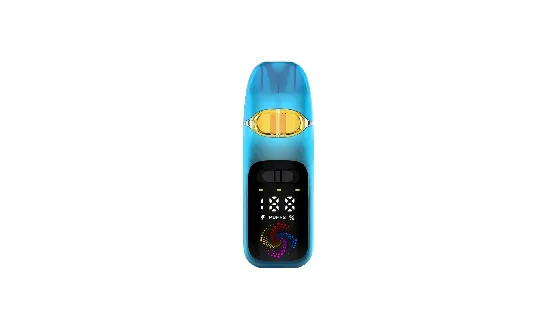
At Maxcore, our Lynx Postless All-In-One Vaporizer is designed with wide compatibility for distillates, live resin, and rosin. Its POSTLESS® design removes the traditional post structure from the internal configuration, while the ceramic heating approach is intended to support consistent flavor across different oil formulations.
This is particularly relevant for brands that want one hardware platform to accommodate multiple oil categories. Instead of treating every formulation as identical, we consider the oil's characteristics when configuring the heating and delivery system.
The Role of Power and Flavor Consistency
A ceramic element alone does not determine performance. Power delivery, heating behavior, airflow, and oil replenishment interact throughout each draw. Excessive or unstable heating may affect flavor, while insufficient energy can influence vapor production and oil delivery.
Our Lynx platform incorporates an intelligent interactive mode and constant-power approach. The objective is to make heating behavior more consistent rather than relying only on a fixed external specification. For B2B customers, this approach can also simplify discussions around repeatability when developing different oil-filled products.
For thc vape pens, this type of consistency is particularly relevant during product development because brands need to assess the hardware and formulation together. Testing should examine multiple draws and different stages of the oil volume rather than relying on a single initial puff.
Why Postless Design Can Matter
Internal geometry can influence how oil interacts with the heating system and how efficiently the available space is used. A postless architecture provides a different internal configuration from conventional designs and can be incorporated into an all-in-one platform where compact packaging is important.
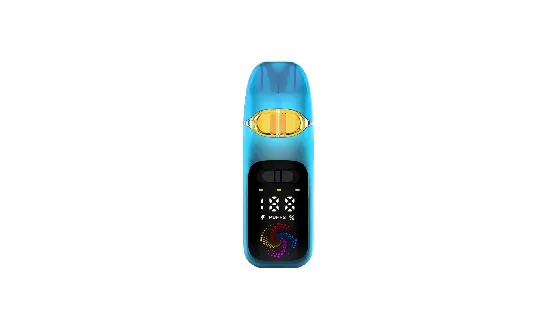
Lynx combines the POSTLESS® design with an integrated screen and intelligent interactive mode. Its positioning as an all-in-one vaporizer allows brands to consider the heating system, interface, and external format as one development project instead of treating each element separately.
When evaluating cannabis vape hardware, we recommend reviewing the complete architecture, including the oil reservoir, heating area, airflow route, power management, and user interface.
How We Approach Different Oil Formulations
Our configuration process begins with the oil rather than assuming that one hardware setup automatically fits every formulation. We consider the expected viscosity, formulation characteristics, desired flavor profile, intended device format, and performance requirements before determining how the hardware should operate.
Testing then provides practical information about oil delivery, draw consistency, vapor output, and flavor behavior. These checks are important because two formulations described under the same broad oil category can still behave differently in hardware.
For brands developing thc vape pens, this formulation-to-hardware approach can reduce the risk of selecting components based only on general specifications. It also provides a clearer framework for comparing prototypes before larger production decisions are made.
Building a More Flexible Hardware Platform
A multi-oil platform can offer practical value when a brand manages several product lines. However, compatibility should be demonstrated through appropriate formulation and hardware testing rather than assumed from the word “ceramic.”
Our Lynx Postless All-In-One Vaporizer addresses this requirement with wide compatibility for distillates, live resin, and rosin, together with an intelligent interactive mode and constant-power operation. The integrated smart screen further gives the device a more interactive hardware architecture for brands developing differentiated products.
A Formulation-Led Approach to Hardware Development
Different cannabis oils can place different demands on vaporizer hardware, making ceramic structure, oil delivery, power behavior, and airflow important parts of the engineering process. At Maxcore, we use this formulation-led approach when developing cannabis vape hardware, with Lynx offering a postless all-in-one platform designed for broad oil compatibility.
For brands exploring thc vape pens, matching the formulation with the hardware architecture can provide a more structured path from prototype evaluation to product development. Contact Maxcore to discuss hardware configurations for your specific oil and application requirements.