When Should You Retest Vape Hardware After Changing a Cannabis Oil Formulation?
A cannabis oil reformulation can change more than cannabinoid percentages or flavor notes. Changes in viscosity, additives, terpene content, or other formulation characteristics can alter how oil moves through a reservoir and reaches a heating element. For B2B brands, processors, and hardware teams, that means a previously qualified device should not automatically be treated as unchanged. A risk-based retest confirms performance, compatibility, and consistency before commercialization.
Why a Formulation Change Can Affect Hardware
The key question is whether the new formulation changes the conditions under which the device operates. Oil viscosity is especially important because it influences flow, replenishment of the heating area, and the amount of energy needed to atomize the formulation. A change in composition can therefore produce different behavior even when the cartridge, battery, and heater remain identical.
Other changes deserve attention too. New excipients, terpene profiles, flavoring components, or processing methods can affect chemical interactions with materials. USP guidance on extractables and leachables emphasizes evaluating interactions between formulations and packaging or delivery systems because migrated substances can affect product quality and safety. Testing should reflect the product and applicable requirements.
Retest After Changes That Alter Oil Behavior
We recommend reopening hardware validation whenever a formulation change materially affects viscosity, flow characteristics, thermal behavior, or the oil's interaction with device materials. A move from a relatively free-flowing distillate to a thicker formulation is a clear example. The same principle applies when a formulation becomes thinner or when a new blend changes how quickly oil reaches the ceramic surface.
Document the decision through change control. ICH Q9 and Q10 emphasize risk-based change management and evaluating potential unintended consequences before implementation. For B2B programs, document the formulation change, affected components, operating window, previous evidence, and retest scope.
What to Retest in Cannabis Vape Hardware
A practical retest of cannabis vape hardware begins with physical compatibility. Check filling, leakage, oil migration, reservoir behavior, airflow, and visible changes during storage and use. If the formulation has changed substantially, evaluate materials that contact the oil as well as seals and interfaces. Extractables and leachables assessment may become relevant when a formulation creates a different chemical exposure profile.
Next, evaluate vaporization performance. Depending on the device, teams can compare draw performance, vapor output, heating consistency, oil consumption, residual oil, clogging, and end-of-life behavior. Flavor evaluation can also matter when the formulation is designed around terpene-rich or otherwise flavor-sensitive oils. The goal is consistent performance with the new formulation.
When a THC Vape Pen Needs a Full Requalification
A THC vape pen should receive broader testing when several variables change together. Changing the oil formulation alongside the ceramic core, airflow path, reservoir material, or power profile makes previous evidence less transferable. In such cases, component-level checks may not be enough; a full device-level qualification can provide a stronger basis for production decisions.
Even without a hardware change, a major formulation change can justify expanded testing of a THC vape pen. FDA guidance on formulation changes for certain device applications illustrates the underlying principle: if a change could alter chemical or physical properties, additional assessment or testing may be warranted. Cannabis products are subject to jurisdiction-specific requirements, so manufacturers should align their validation plan with the applicable regulatory framework.
A Risk-Based Retest Plan for Business Programs
We suggest organizing retesting into three stages. First, conduct formulation characterization and define what changed. Record viscosity or flow-related data, composition differences, expected operating conditions, and the reasons for the reformulation. Second, perform bench testing with representative hardware samples. Third, conduct extended-use and stability-oriented testing when the risk assessment indicates that short tests cannot capture potential failure modes.
Sample selection matters in cannabis vape hardware programs. Testing one device can miss manufacturing variation. A B2B qualification plan should use representative production-intent samples and predefined acceptance criteria. If failures appear, investigate whether they originate from oil behavior, heater configuration, airflow, materials, assembly, or electrical control. This supports quality decisions and engineering changes.
How We Approach Hardware Compatibility at Maxcore
At Maxcore, we develop hardware around the characteristics of the oil rather than assuming one heating configuration suits every formulation. Our R&D process considers composition, viscosity, flow behavior, and atomization characteristics before we select ceramic and heating configurations. We also support oil-specific configurations for distillates, live resin, rosin, and other cannabis oil applications.
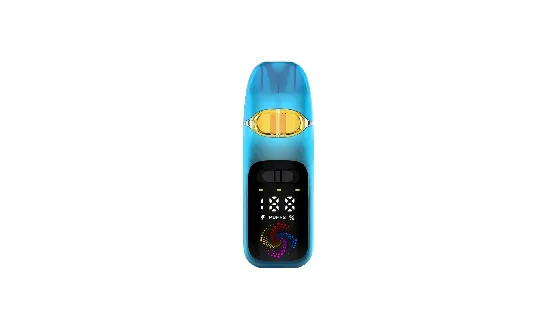
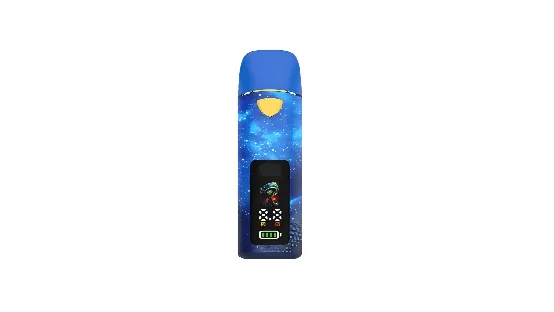
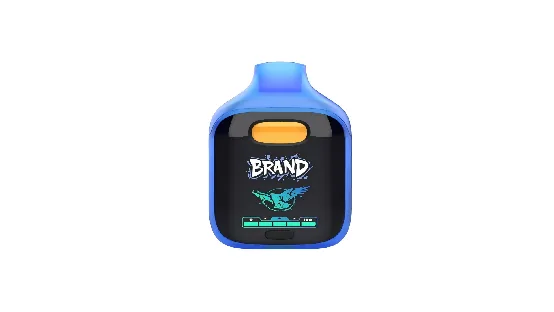
Our Holi dual-tank all-in-one vaporizer demonstrates how hardware architecture can support differentiated oil applications. It uses a POSTLESS® design and P30 ceramic core, with tank configurations of 0.5+0.5ml or 1.0+1.0ml. The device also features a smart screen, inhale activation, Type-C charging, and a 380mAh battery. Its dual-tank architecture can hold two formulations, making controlled compatibility evaluation particularly relevant.
When Retesting Becomes Part of Cannabis Vape Hardware Development
Retesting should be part of product development, not a last-minute quality gate. For B2B cannabis vape programs, it is most useful when built into formulation change control from the beginning. A minor change may require targeted checks, while a change affecting viscosity, chemistry, thermal behavior, or multiple hardware interfaces can justify broader qualification.
Our approach to cannabis vape hardware connects oil analysis, ceramic engineering, hardware design, and real-oil testing. This helps partners identify compatibility questions before scale-up and define evidence for the specific formulation and device. By treating reformulation as a system-level change, brands can make production decisions using documented performance data rather than assumptions.