What Questions Reveal Whether a Supplier Understands Oil–Device Compatibility?
A capable vape hardware supplier should do more than quote a unit price and confirm dimensions. The more important question is whether the supplier understands how a particular oil formulation interacts with heating, airflow, reservoir geometry, and power delivery. At Maxcore, we treat compatibility as a formulation-to-device engineering issue. The questions we ask during development can reveal whether a supplier is prepared to evaluate the complete system rather than simply sell a standard component.
Does the Supplier Ask About Your Oil?
The first useful question concerns the oil itself. A supplier should ask about the formulation, viscosity, terpene profile, expected fill volume, and intended operating conditions. Different concentrates can behave differently during filling, storage, and vaporization, so a generic compatibility statement does not provide enough engineering information.
For cannabis vape hardware, oil characteristics should be connected to the heating and delivery system. Commercial ceramic heating technologies, for example, are often designed around specific porosity and structures to balance oil supply with vaporization.
How Does the Supplier Evaluate Heating?
Another revealing question is: “How do you determine whether the heating system is suitable for our formulation?” A knowledgeable supplier should discuss more than nominal battery voltage or resistance.
Research on cannabis extract vaporizers found that voltage alone was a poor indicator of actual coil temperature, while temperature-controlled systems showed more consistent heating in the tested conditions. This matters because power delivery can influence vapor production, flavor, and thermal behavior.
When we evaluate cannabis vape hardware, we therefore consider the relationship between the ceramic heating structure and the device's power behavior instead of treating these components independently.
Does the Supplier Discuss Oil Flow?
Oil delivery is another important area. A heating element cannot perform consistently if the formulation cannot reach it at an appropriate rate. Suppliers should be prepared to discuss reservoir geometry, oil-contact areas, airflow, and the physical behavior of the formulation throughout a device's usable life.
A strong development discussion should also address what happens as the oil level falls. The first draw and later draws can place different demands on the system, making lifecycle testing more informative than a single demonstration.
For an empty disposable vape pen , this means asking whether the supplier has a defined testing method for checking oil delivery, draw consistency, and heating behavior across repeated cycles.
Can the Supplier Explain Airflow and Draw Behavior?
Airflow should not be treated as an afterthought. The amount and path of incoming air can influence the heating environment and the resulting aerosol. Research has shown that device parameters such as temperature and airflow can affect aerosol characteristics and chemical emissions.
We therefore consider airflow alongside heating and oil delivery when discussing device configurations. If a supplier cannot explain how airflow is established, measured, or adjusted, it becomes difficult for a brand to understand how the proposed hardware will behave under actual use conditions.
Does the Supplier Test the Complete Device?
A component-level test cannot answer every compatibility question. The ceramic element, battery, oil reservoir, airflow route, mouthpiece, and control system operate together. A supplier should be able to explain how complete-device testing is performed and which performance indicators are recorded.
Temperature deserves particular attention. Research involving ceramic cannabis cartridges found substantial differences in measured heating temperatures among tested configurations, reinforcing the importance of evaluating actual device behavior rather than assuming that similar specifications produce identical results.
For us, complete-device testing provides a more useful basis for development decisions.
What Does the Supplier Offer Beyond Standard Hardware?
Customization questions can reveal how closely a supplier works with brands. We ask whether the supplier can modify the user interface, exterior finish, oil window, mouthpiece, or other device elements without compromising the underlying hardware requirements.
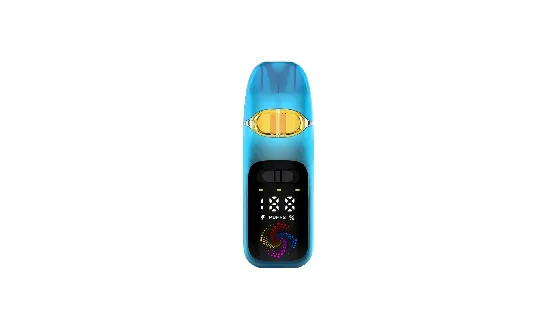
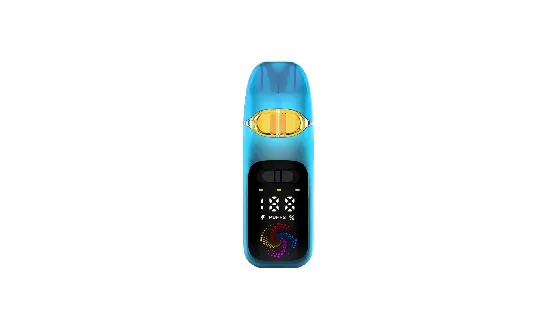
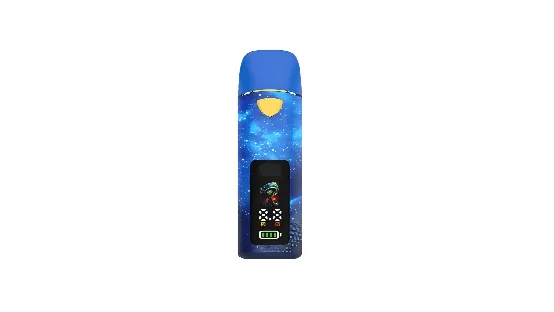
Our Nexis Postless All-In-One Vaporizer With Smart Screen is designed around this type of flexible development. Nexis combines a POSTLESS® design with an intelligent interactive mode, built-in preheat, and constant-power operation. It also supports customization of color, finish, UI, oil window, and mouthpiece.
This gives brands room to develop a differentiated product while maintaining an established hardware platform.
How Does the Supplier Handle Compatibility Testing?
A useful supplier should define what success means before testing begins. Questions should cover the target oil, fill conditions, storage conditions, draw profile, number of cycles, and acceptance criteria. This approach makes results easier to compare across prototypes and production batches.
For cannabis vape hardware, testing should also distinguish between formulation-specific behavior and device-specific behavior. Research has demonstrated that cannabis vaporization chemistry can be influenced by applied power and temperature, including changes in degradation products.
That is why we prefer documented test conditions instead of broad claims such as “works with all oils.”
Can the Supplier Connect Compatibility to Production?
Finally, brands should ask how a successful prototype will translate into repeatable manufacturing. A device that performs well in one sample does not automatically establish production consistency. The supplier should be able to discuss component tolerances, assembly controls, testing procedures, and quality checkpoints.
For a cannabis oil vape pen, these questions help connect formulation development with commercial manufacturing. At Maxcore, we use this development mindset to help brands evaluate the complete device rather than selecting hardware based only on appearance, specifications, or initial samples.
Asking Better Questions Before Selecting a Hardware Partner
The right supplier questions reveal whether compatibility is being treated as a genuine engineering problem. Oil properties, heating behavior, airflow, oil delivery, testing, customization, and production controls all deserve discussion before a hardware platform is finalized.
At Maxcore, we approach cannabis vape hardware through this complete-system perspective, while Nexis provides a customizable all-in-one platform with POSTLESS® design, built-in preheat, constant power, smart-screen interaction, and customizable color, finish, UI, oil window, and mouthpiece. Brands developing a cannabis oil vape pen can contact Maxcore to discuss their formulation and device requirements.