How Should Brands Evaluate Oil Transfer in a Cannabis Vape Device?
Oil transfer is one of the fundamental interfaces between a formulation and a vape device. A cartridge can have a suitable reservoir and heating element yet still perform inconsistently if the oil does not reach the atomization area at the expected rate. For brands developing cannabis vape hardware, evaluating oil transfer means looking beyond simple leakage tests and examining viscosity, flow paths, heating behavior, and material compatibility as one connected system.

Start With the Oil’s Physical Behavior
The first step is understanding the formulation itself. Cannabis vape oils can differ substantially in viscosity, and published testing of commercial cartridges has found high-, medium-, and low-viscosity samples with differences in aerosol generation. Some lower-viscosity cartridges were easier to aerosolize, while two samples in the study failed to generate aerosol with the same device.
This makes viscosity an important input for hardware development. We should establish how the intended formulation behaves before deciding whether an existing delivery architecture is appropriate. Temperature can also affect viscosity, so testing should consider the oil under representative storage and operating conditions rather than relying on one measurement taken at room temperature.
Examine the Entire Oil Path
Oil transfer does not occur at only one point. The formulation travels from the reservoir through an outlet or delivery structure and toward the atomization surface. Each interface can influence flow, including internal geometry, seals, porous structures, and the materials that contact the oil.
Research on cannabis vaporizer oils has highlighted this broader interaction. Viscous oils can remain in contact with cartridge materials such as metals, glass, plastics, wicks, and seals, while exposure to air can affect volatile components. For cannabis vape hardware development, we therefore evaluate the complete oil path rather than treating the atomizer as an isolated component.
Measure Transfer Consistency, Not Just Initial Flow
A device may transfer oil successfully during an initial test while behaving differently after repeated operation. As the formulation is consumed, the liquid level changes, the thermal environment develops, and the amount of material surrounding the atomization area can vary.
Testing should therefore examine transfer consistency across a defined operating sequence. Relevant observations can include changes in delivered mass, remaining oil distribution, evidence of flooding or inadequate replenishment, and variation between individual devices.
A standardized test protocol is particularly valuable for B2B development because it allows brands and hardware suppliers to compare different formulations or prototypes using the same criteria. This makes compatibility decisions more evidence-based and easier to document during product development.
Connect Oil Transfer With Heating
Oil delivery and heating performance are closely related. If the heating surface receives material at a different rate than expected, the thermal behavior of the atomizer can change. Research on cannabis vaporization has demonstrated significant temperature variation among ceramic cartridges under particular operating conditions.
We therefore avoid evaluating oil transfer independently from the heating system. The ceramic structure, heating track, electrical characteristics, oil-contact area, and delivery path should be considered together. A formulation that transfers adequately through a reservoir may still require additional evaluation once it interacts with the actual atomization structure.
Evaluate Material Compatibility
The materials used along the oil path deserve their own assessment. Oil can remain in contact with internal components for extended periods, making seals, reservoirs, ceramic surfaces, and other wetted materials relevant to product validation.
Brands can examine whether prolonged contact changes the formulation, the component, or the transfer behavior. This is particularly important when a new formulation is introduced to an existing platform. A hardware configuration that has already passed testing with one oil should not automatically be considered validated for another.
Material evaluation also supports quality control because unexpected changes in viscosity, color, leakage, or component condition can provide useful signals during development and shelf-life testing.
Consider Airflow and Atomization Together
Oil transfer also interacts with airflow. The air path influences how vapor or aerosol moves away from the heating region, while the atomization structure determines how effectively the supplied oil is converted into aerosol. Research on electronic vaporization systems has found that device parameters such as temperature and airflow can affect aerosol characteristics.
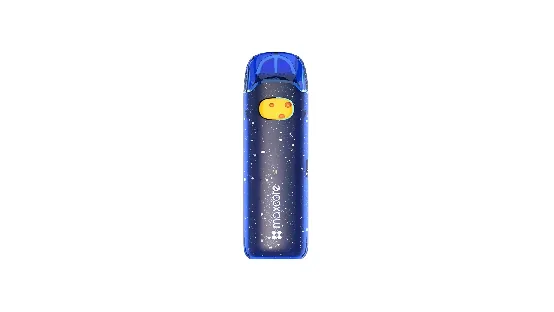
Our Maxcore Hoya platform reflects this systems-oriented approach. Hoya is a highly customizable postless dual-airway all-in-one vaporizer featuring a POSTLESS® design, a next-generation ceramic core, dual airflow, and a streamlined form factor. For B2B brands, these features provide a hardware foundation that can be evaluated alongside the specific oil and delivery requirements of a project.
Build a Structured Transfer Test
For development teams, a useful evaluation framework can combine several measurements instead of relying on a single pass/fail observation. We can assess oil mass before and after testing, monitor distribution within the reservoir, inspect the atomization area, and compare results across multiple units.
Testing should also document formulation variables. Viscosity, storage temperature, formulation composition, fill quantity, and hardware configuration can all be recorded so that performance differences have traceable causes.
This approach becomes particularly useful when brands develop several formulations for one platform. Rather than assuming universal compatibility, each oil can be assessed against the same hardware criteria, creating a clearer technical record for subsequent production decisions.
From Oil Transfer Testing to Hardware Development
Oil transfer should ultimately be evaluated as part of the complete device rather than as a simple flow test. Viscosity, reservoir geometry, materials, ceramic atomization, heating behavior, and airflow can interact throughout the product lifecycle.
At Maxcore, we connect formulation analysis with custom hardware development and compatibility testing so that these factors can be evaluated together. For brands developing cannabis vape hardware, this approach can help identify potential transfer issues before production and establish clearer requirements for future formulations.
When selecting thc vape devices for a new product program, brands can therefore look beyond appearance and basic specifications. A structured evaluation of oil transfer provides a stronger foundation for assessing whether the hardware architecture is appropriate for the intended formulation and commercial development requirements.