Which Problems Indicate a Mismatch Between Cannabis Oil and Vape Hardware?
Cannabis oil and vaporizer hardware need to work as one system. A formulation can perform well during processing yet create problems after filling if the device cannot deliver, heat, and vaporize the oil consistently. For cannabis brands and oil processors, recognizing these warning signs early can reduce quality issues and unnecessary hardware changes. The right cannabis vape hardware should be evaluated against the oil’s viscosity, composition, filling conditions, and intended performance rather than selected as a standalone component.

Clogging Can Signal Poor Oil Transfer
Frequent clogging is one of the clearest signs that an oil and device are not properly matched. Higher-viscosity formulations can move more slowly through narrow oil pathways, especially when the hardware’s heating and airflow systems are not designed around that formulation.
A device may initially produce vapor normally but develop restricted airflow after repeated use. Residual oil can accumulate around the airway or heating area, reducing the consistency of later draws. For B2B testing, teams should therefore examine performance across the intended fill volume and usage cycle instead of relying on a few initial puffs.
We design hardware with oil transfer in mind. Form-X uses a postless structure and dual-airway configuration, with Maxcore specifying dual airflow and anti-clogging performance as key features. Its P30 ceramic core is paired with a 1.0ml tank, providing a hardware platform that can be evaluated against the intended formulation.
Leakage Points to a Hardware–Formulation Imbalance
Leakage can result from several factors, including oil viscosity, sealing conditions, filling parameters, temperature, and component tolerances. When leakage repeatedly appears with one formulation but not another, the issue deserves investigation as a system-level compatibility problem.
Oil can behave differently during filling, storage, transportation, and use. Temperature changes may alter flow characteristics, while pressure and sealing conditions can affect how easily material reaches unintended pathways. A hardware qualification process should therefore include storage and transportation simulations rather than focusing exclusively on immediate post-fill inspection.
For manufacturers, documenting where leakage occurs is especially useful. The tank interface, mouthpiece, seals, airflow route, and heating region should be examined separately. This helps distinguish a formulation-related issue from a mechanical assembly problem before production decisions are made.
Burnt Taste May Reflect Uneven Oil Delivery
A burnt or unusually harsh taste can indicate that the heating element is not receiving oil at the rate required by the formulation. If vaporization consumes oil faster than fresh material can reach the heating surface, the local environment can become insufficiently saturated.
The problem may become more visible as the device is used repeatedly. A hardware configuration that performs acceptably during early testing may behave differently later if oil replenishment cannot keep pace with vaporization. For this reason, B2B validation should assess taste and vapor consistency throughout the intended usage cycle.
Heating technology also matters. Maxcore develops ceramic heating solutions for different cannabis oil viscosities and formulations, including higher-viscosity extracts. Our product portfolio identifies different ceramic configurations for different oil categories, reinforcing the need to match the heating platform to the formulation rather than treating every oil as equivalent.
Inconsistent Vapor Can Reveal Flow Problems
Large differences in vapor production from puff to puff can indicate unstable oil delivery, airflow behavior, or heating conditions. A device may produce a strong first draw but progressively weaker vapor if the oil cannot replenish the heating area efficiently.
For cannabis vape hardware evaluation, brands should monitor repeatability rather than judging performance from a single demonstration. Testing should consider different draw patterns, intervals between puffs, temperature conditions, and remaining oil levels.
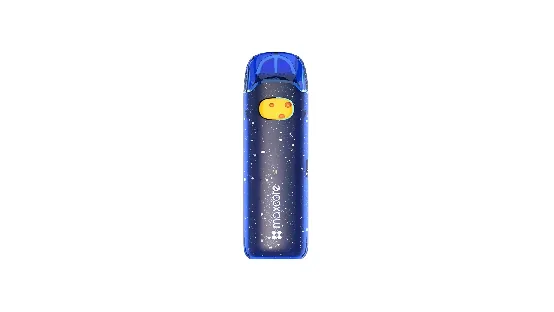
Form-X is designed as a highly customizable postless dual-airway all-in-one vaporizer. Its published specifications include a 1.0ml tank, P30 ceramic core, inhale activation, 265mAh battery, Type-C charging, food-grade PCTG and PC tank materials, and dimensions of 91 × 23.5 × 12.8 mm.
Unexpected Flavor Changes Require Material Review
Flavor changes can also reveal compatibility concerns. The materials contacting the oil, heating architecture, airflow path, and thermal conditions can all influence the final aerosol experience. Recent research has also investigated metal particles in cannabis vape aerosols and found evidence connecting detected elemental particles with metal components in tested cartridges.
A hardware review should therefore consider the complete oil-contact pathway, not just the coil. Postless architectures can be relevant when brands want to reduce the number of components directly involved in the oil pathway.
Our POSTLESS® approach eliminates the traditional center post from the oil-contact pathway. Form-X applies this architecture alongside its ceramic core and dual-airway design, giving brands another configuration to evaluate when developing products around specific oil formulations.
Build Compatibility Testing Around the Oil
The most useful qualification process begins with the formulation itself. Brands should document viscosity behavior, additives or terpenes, target fill volume, storage conditions, expected usage pattern, and desired vapor characteristics before selecting cannabis vape hardware.
Testing should then connect those variables with measurable hardware outcomes. Leakage rate, clogging frequency, vapor consistency, flavor stability, oil remaining after testing, and device activation should all be documented under controlled conditions.
This approach also makes supplier communication more productive. Instead of simply reporting that a device “does not work,” brands can identify the specific failure mode and provide the formulation and operating conditions associated with it. Hardware suppliers can then adjust ceramic configuration, airflow, tank design, or other components more efficiently.
Match the System Before Scaling Production
Oil compatibility problems are rarely solved effectively by looking at the hardware alone. Clogging, leakage, burnt taste, inconsistent vapor, and unexpected flavor changes can each indicate that the formulation and device have not been sufficiently matched.
At Maxcore, we approach cannabis vape hardware as part of an integrated oil-vaporization system. Form-X combines a 1.0ml postless tank, P30 ceramic core, dual-airway architecture, and customizable design in a compact all-in-one platform. For brands developing a cannabis oil vape, controlled compatibility testing can help determine whether this configuration fits the formulation before larger-scale production begins.